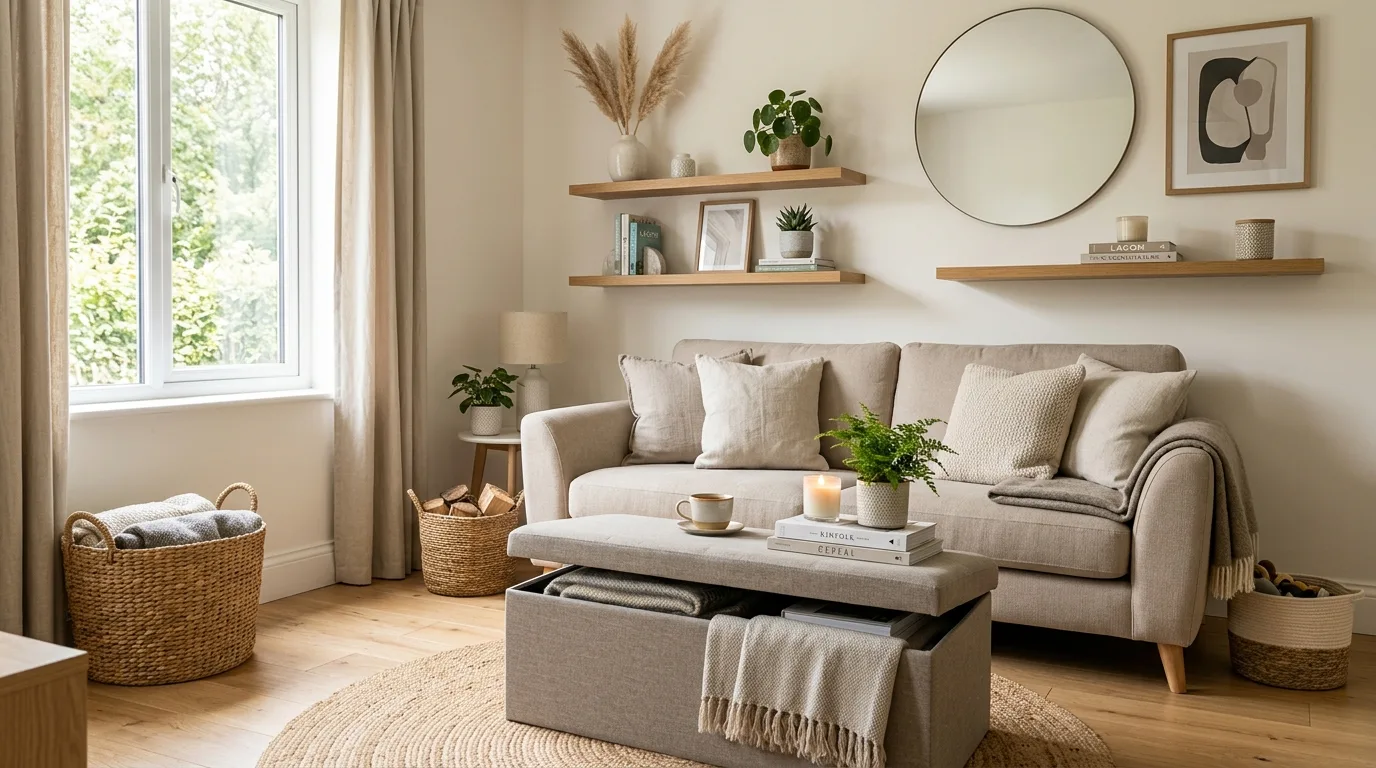
Every January, I promise myself that this will be the year I finally stay organized. For a while, I believed buying matching baskets, stylish storage bins, and drawer organizers would solve every problem. Instead, our 1,050 square foot townhouse outside Denver still felt crowded. Kitchen cabinets overflowed, closets became impossible to close, and everyday items slowly claimed every empty surface. The clutter wasn’t caused by a lack of storage. It came from keeping too much and creating systems that didn’t match how we actually lived.
Everything changed after I stopped chasing picture perfect organization and started focusing on practical habits. Since buying our townhouse in 2022, Ethan and I reorganized nearly every room more than once. Some projects turned out exactly as planned, while others taught us valuable lessons after a few measuring mistakes, wasted purchases, and one extra trip to Home Depot. Those experiences helped us build simple organization systems that save time, reduce stress, and make our home feel much larger without adding a single square foot.
If you’re searching for new year home organization ideas that work in real homes, you’re in the right place. This guide shares the practical strategies that helped us clear clutter, make better use of every inch of space, and create a home that’s easier to clean and maintain throughout the year. You not need expensive custom cabinets or a professional organizer to make a noticeable difference. With a few smart changes and a fresh mindset, you can start 2026 with a home that feels lighter, more functional, and ready for whatever the new year brings.
1. Declutter Before You Buy a Single Storage Basket
Every January, I used to make the exact same mistake. I’d head to Target or HomeGoods convinced that matching baskets and attractive new year home organization ideas boxes would finally organize our home. They certainly looked nice sitting on the shelves, but after a few weeks I noticed the clutter hadn’t disappeared. It had simply moved into prettier containers. That realization completely changed how I organize our townhouse today.
Now, before spending a single dollar on storage products, I remove everything from the space I’m organizing. Kitchen drawers get emptied onto the counter, bathroom cabinets come completely apart, and closet shelves cleared from top to bottom. Only after seeing every item together do I decide what actually deserves a place in our home. Anything broken, duplicated, or untouched during the past year usually goes into a donation box for our local Goodwill. The difference surprising every single time. Once unnecessary items leave the house, many storage problems solve themselves.
Last winter, I planned to spend almost $150 on acrylic pantry organizers I found online. After decluttering first, I realized I only needed two clear containers costing about $36. Everything else fit comfortably into the shelves we already owned. Not only did we save money, but the pantry also became much easier to keep tidy because there was simply less to manage. If matching containers aren’t in your budget, don’t worry. Reusing baskets, glass jars, or sturdy bins you already own works just as well. An organized home isn’t about expensive products. It’s about keeping only what supports your everyday life.
2. Organize One Room at a Time Instead of the Entire House
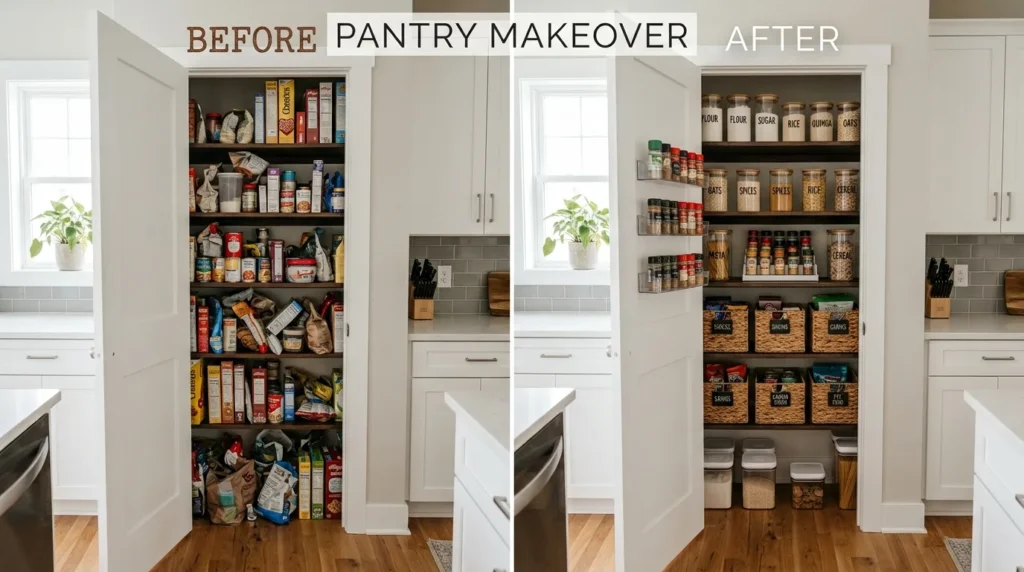
One lesson took me far too long to learn that trying to organize an entire house in one weekend almost never works. Every January, I’d create a long checklist with every room on it. By Saturday afternoon I felt motivated, but by Sunday evening I was surrounded by half-finished projects, open storage boxes, and even more clutter than when I had started. Instead of feeling productive, I felt overwhelmed.
Everything changed when I focused on just one room at a time. Now I choose the area that causes the most daily frustration and finish it completely before moving anywhere else. Sometimes that’s the kitchen pantry. Other years it’s the entryway where shoes, jackets, reusable shopping bags, and pet supplies seem to collect overnight. Completing one room gives me immediate progress and keeps the rest of the house functional while I work.
Our entryway became the first project this year because Colorado winters bring wet boots, snow, and salt into the house almost every day. We added a slim IKEA shoe cabinet that cost about $95, a sturdy boot tray from Home Depot for around $18, and a simple woven basket from HomeGoods for scarves and gloves. Those three additions completely changed how the area functions. Shoes stopped piling against the wall, jackets finally had a dedicated home, and cleaning the floor became much quicker. If buying new furniture isn’t possible, Facebook Marketplace often has narrow storage benches and cabinets for less than half the retail price. Starting with one room may seem slower, but it creates lasting habits instead of temporary results.
3. Build Organization Around Your Daily Routine, Not Around Trends
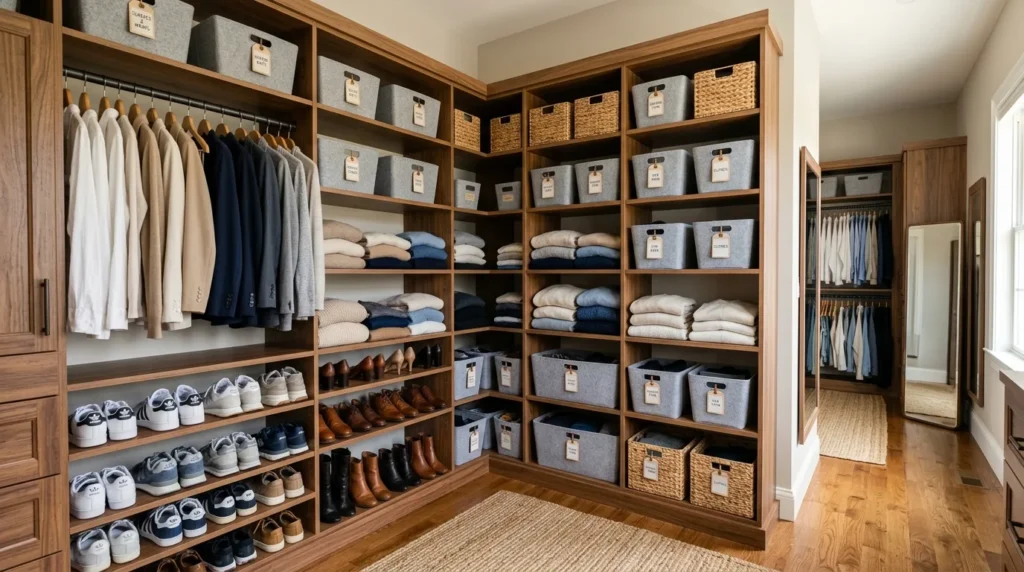
One thing social media rarely shows what happens after the photos taken. Perfectly organized pantries and spotless kitchen counters look beautiful online, but they don’t always make everyday life easier. Early on, I copied several trendy organizing ideas because they looked impressive. Within a few weeks, I realized I was constantly moving items back to places that actually made sense for our routine.
Today, every storage decision starts with one simple question: where do we naturally reach for this item? Coffee mugs stay beside the coffee maker because that’s where we use them every morning. Cleaning supplies remain under the kitchen sink instead of being grouped together in a laundry closet upstairs. Miso’s food and treats stay beside her feeding station rather than inside the pantry. These small adjustments save time every single day because nothing requires extra steps.
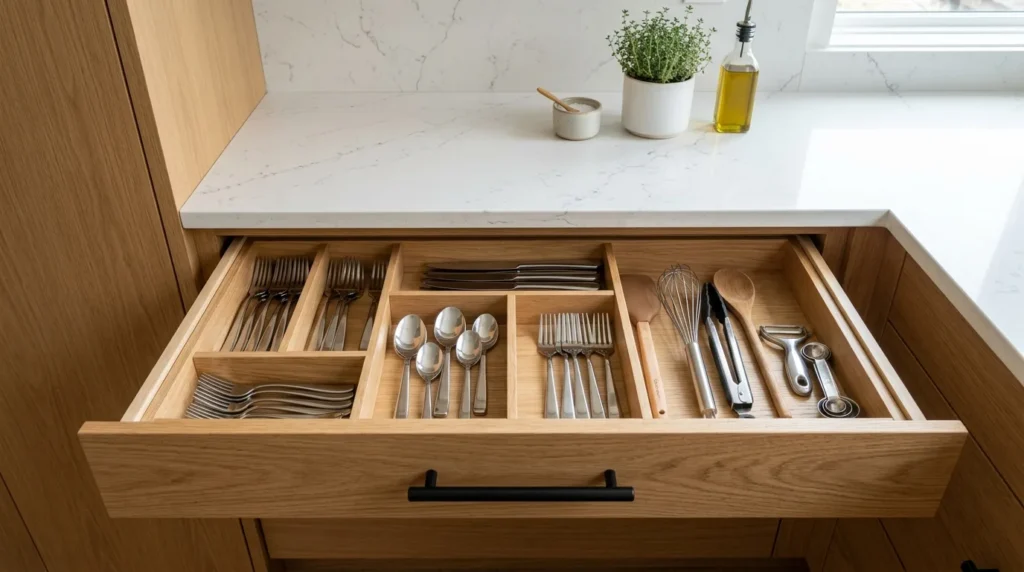
One of my favorite weekend projects involved building simple wooden drawer dividers using inexpensive pine boards from Lowe’s. The first attempt didn’t go well at all. I measured one drawer incorrectly, cut two pieces nearly an inch too short, and ended up driving back to Home Depot for replacement wood. It was frustrating in the moment, but the second attempt worked perfectly because I measured each drawer twice before making another cut. The finished organizers cost around $32, much less than custom drawer systems sold online, and they still keep our kitchen utensils neatly separated today. Sometimes the projects that go wrong end up teaching the most valuable lessons.
4. Make Better Use of Vertical Space Without Making the Room Feel Crowded
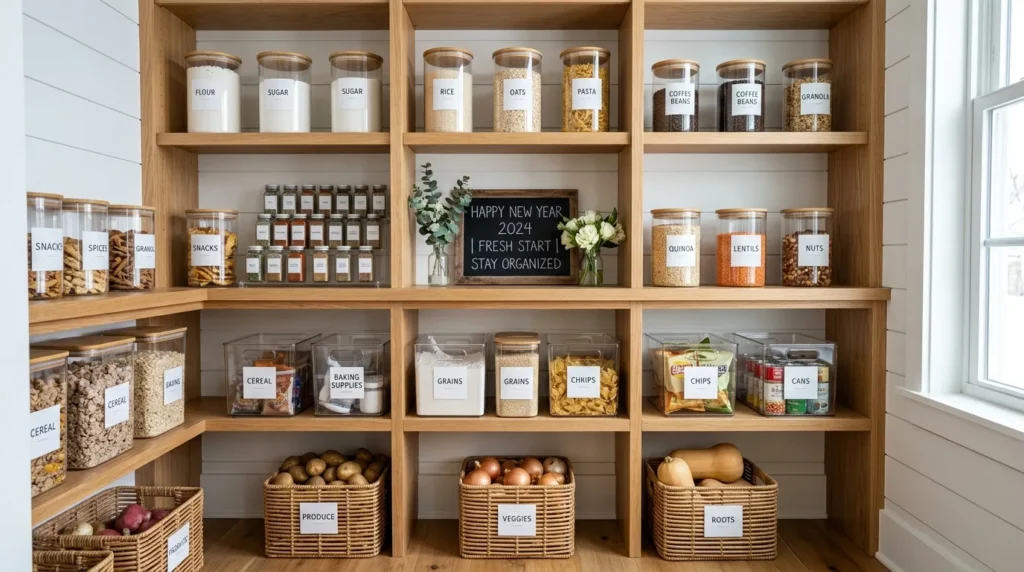
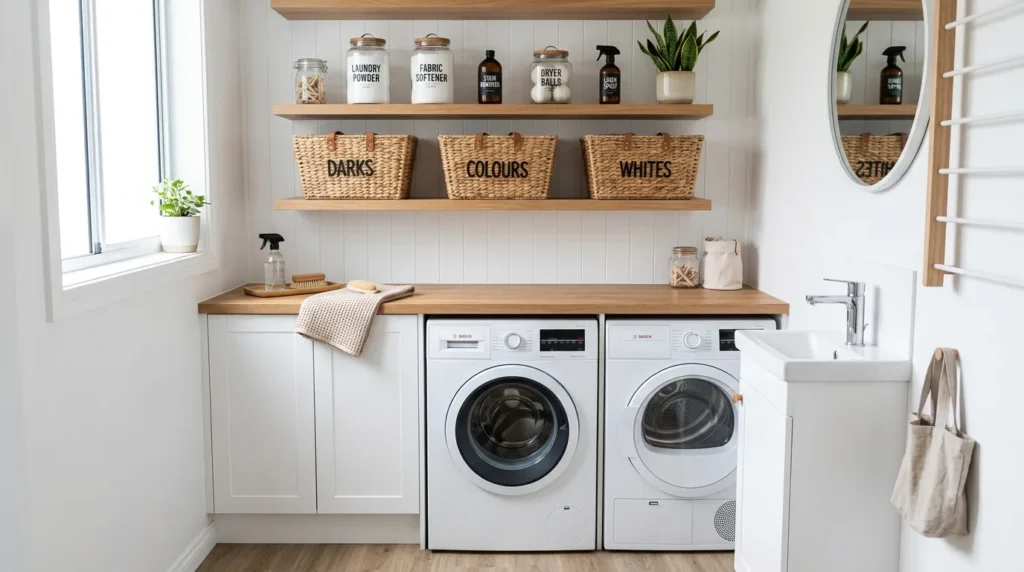
One of the biggest mistakes I made after moving into our townhouse was focusing only on floor space. I spent so much time looking for narrow cabinets and slim furniture that I completely ignored the empty wall space above them. After living here for two years, I finally realized that our 9-foot ceilings on the main floor gave us much more storage potential than I had been using. Once I started thinking vertically, several rooms instantly became more functional without feeling cramped. Floating shelves above the laundry area created space for detergent, extra towels, and cleaning supplies. In the kitchen, I added a shelf above the coffee station to hold mugs and seasonal accessories. Even our home office benefited from a simple wall shelf that stores books, printer paper, and office supplies without taking up desk space. The project cost about $55 for shelves and brackets from IKEA, and installing them took one afternoon. The first shelf wasn’t perfectly level, so I had to remove it and drill new holes. That mistake was frustrating, but taking the time to fix it made the final result look much better. If drilling into walls isn’t an option because you’re renting, over-the-door organizers, adhesive shelves, and stackable storage units can provide similar benefits. Just remember to follow the manufacturer’s weight limits and never overload shelves with heavy items.
5. Turn Hidden Spaces Into Everyday Storage
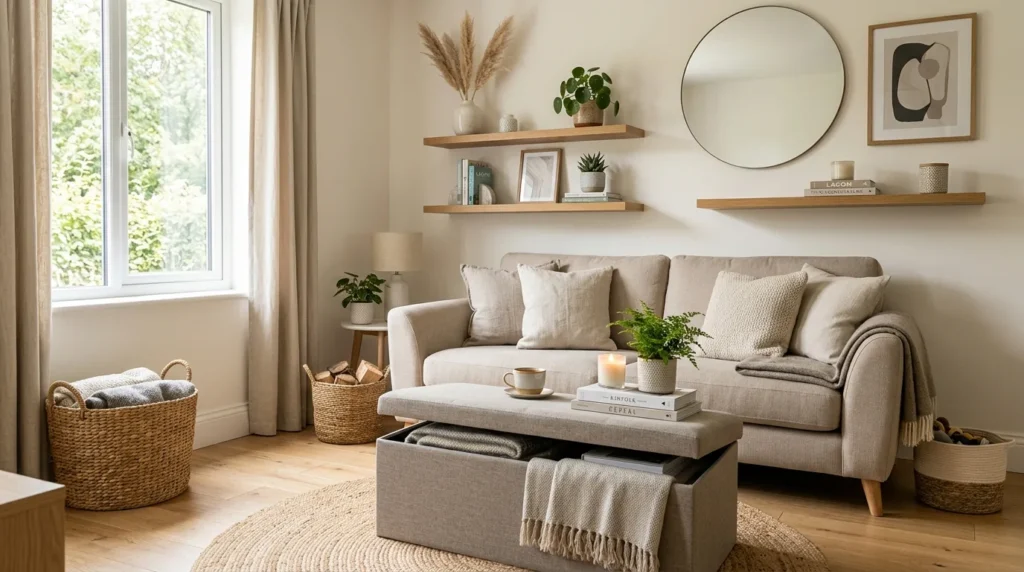
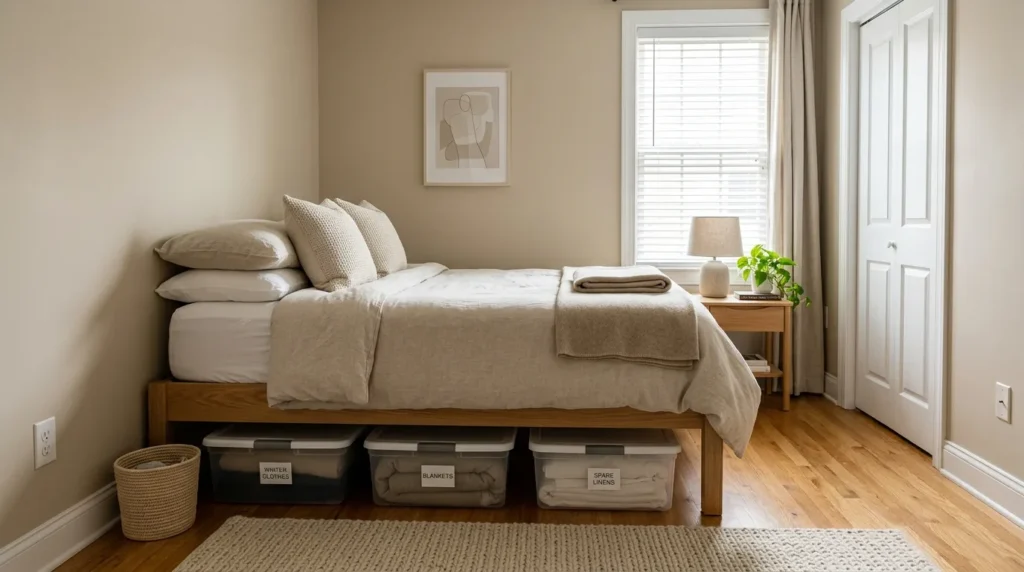
Most homes storage opportunities that easy to overlook. Before I started organizing with intention, I never paid attention to the empty space under our bed, the tops of closets, or the inside of cabinet doors. Those forgotten areas slowly became some of the hardest-working spots in our townhouse. Under the guest bed in our second bedroom, I now keep clear rolling bins filled with seasonal decorations, extra bedding, and winter blankets. The top shelf in our bedroom closet stores labeled containers for luggage, keepsakes, and items we only use a few times each year. Even the inside of the pantry door now holds measuring cups and lightweight organizers using removable hooks. None of these changes required expensive furniture or major renovations. Instead, they helped us make better use of space that already existed. Last fall, I bought a set of under-bed storage containers from Target for around $42, and they freed up nearly an entire closet shelf. Looking back, I wish I had used these hidden spaces much sooner because they reduced visible clutter throughout the house. When every item has a dedicated place, cleaning becomes much quicker and everyday life feels less chaotic.
6. Create Simple Drop Zones That Prevent Daily Clutter
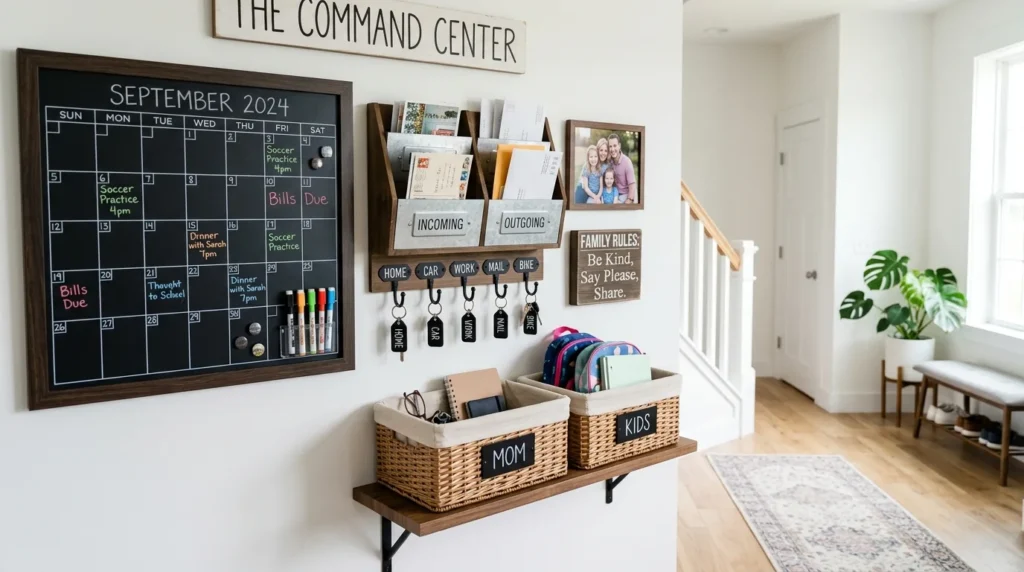
One habit that completely changed our home had nothing to do with buying storage furniture. Instead, it involved creating designated drop zones for the things we use every single day. Before making this change, keys landed on the kitchen counter, mail collected on the dining table, sunglasses disappeared into random drawers, and reusable shopping bags somehow ended up in three different rooms. Those little piles didn’t seem like much individually, but together they made the house look messy all the time. I finally installed a small wall organizer near our front door with hooks for keys, a narrow shelf for wallets and sunglasses, and a basket underneath for outgoing mail. The entire setup cost less than $40 using supplies from Target and Amazon. Within a week, both Ethan and I naturally started putting things back in the same place without thinking about it. That single system eliminated one of our biggest sources of daily clutter. If you wall space, a decorative tray on an entry table works just as well. The goal isn’t perfection. It’s creating an easy habit that takes only a few seconds to follow.
7. Organize Every Closet With Clear Categories
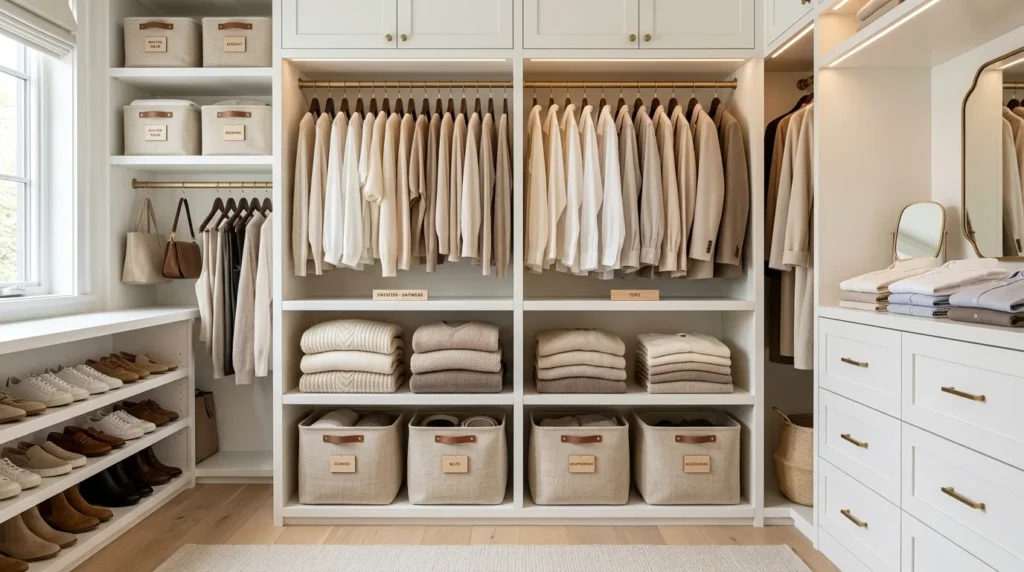
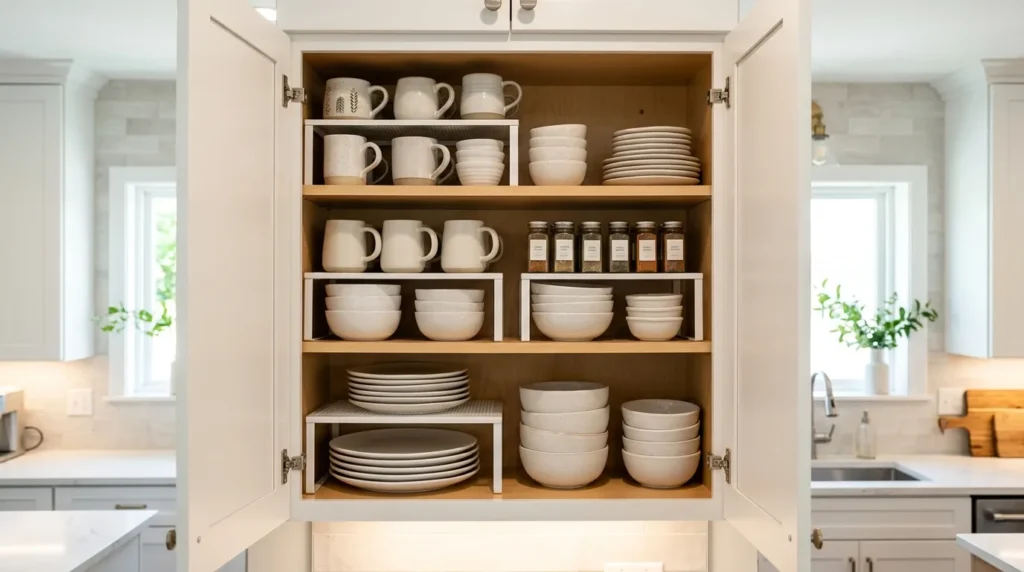
Closets become cluttered because we keep adding items without giving them a clear home. That was exactly what happened in our hallway closet. Cleaning supplies, board games, extra blankets, batteries, candles, and random household items all ended up stacked together. Finding one flashlight meant moving half the shelf. This year, I emptied the entire closet and grouped similar items together before putting anything back. Cleaning products stayed on one shelf, pet supplies moved into labeled bins, seasonal decorations filled another section, and household tools went into a sturdy plastic container from The Container Store. Clear labels made a surprising difference because everyone knew where things belonged. Instead of searching through multiple shelves, we could grab exactly what we needed within seconds. The entire closet makeover cost around $65 including labels and storage bins, but it saved far more time than I expected. Even after several months, the closet still looks organized because every category has its own dedicated space. That’s much easier to maintain than organizing by appearance alone.
8. Keep Digital Clutter Under Control Too
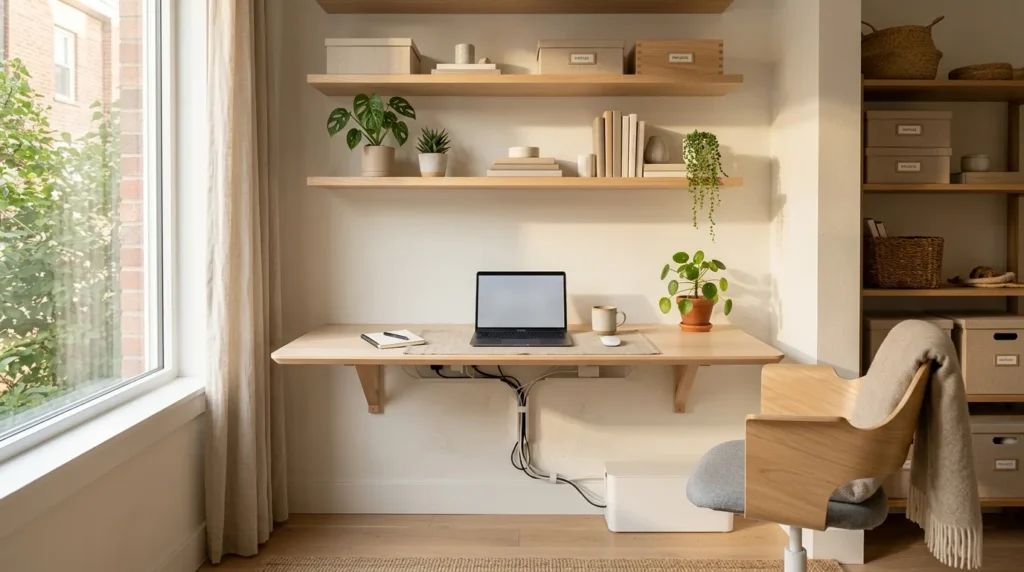
Home organization isn’t only about physical belongings. Digital clutter creates just as much stress, especially when important documents disappear inside crowded downloads folders or thousands of photos remain unsorted. At the beginning of every year, I spend one afternoon organizing my laptop and phone alongside the house itself. Old screenshots get deleted, duplicate photos disappear, and important files move into clearly labeled folders. I also unsubscribe from promotional emails that I never read and remove unused apps that only create distractions. This simple habit makes it much easier to find receipts, warranty information, decorating inspiration, and home maintenance records throughout the year. Physical and digital organization work together because both reduce unnecessary stress. While this task isn’t as satisfying as organizing a pantry, it saves countless hours later when I actually need something important.
9. Build Daily Habits Instead of Depending on Weekend Cleanups
The biggest lesson I’ve learned that organized homes stay organized because of small daily habits, not because someone spends an entire Saturday cleaning every week. We now follow a simple ten minute evening reset before relaxing for the night. Blankets get folded, dishes go into the dishwasher, mail returns to its basket, shoes go back into the cabinet, and countertops cleared before bedtime. Those tiny routines prevent clutter from building into overwhelming weekend projects. Even Miso seems happier because her toys a dedicated basket instead of being scattered across the living room floor. Missing one day isn’t a disaster because the workload never becomes too large. That’s what makes these habits sustainable. Organization shouldn’t feel exhausting. It should quietly support your daily routine without demanding constant attention.
10. Review Your Organization System Every Season
An organization system isn’t something you create once and forget forever. Our needs change throughout the year, and our storage should change with them. Winter requires space for boots, coats, and holiday decorations, while summer brings gardening supplies, patio cushions, and travel gear. Every three months, I spend about an hour checking each storage area to see what’s working and what needs improvement. Sometimes a drawer has become overcrowded. Other times, an organizer no longer fits our routine because we’ve changed how we use the room. Those quick seasonal checkups prevent clutter from slowly returning. They also remind me that organization an ongoing process rather than a one-time project. Living in a modest sized townhouse means every square foot matters, so keeping our systems flexible has helped our home stay functional year after year.
A Fresh Start Begins With Small Changes
Starting the new year with an organized home isn’t about chasing perfection or copying picture perfect rooms online. It’s about creating simple systems that make everyday life easier. After several years of trial and error in our townhouse outside Denver, I’ve learned that the best organization ideas often the simplest ones. Declutter before buying storage, organize one room at a time, use overlooked spaces, and build habits that fit your daily routine. Those small improvements saved us time, reduced stress, and helped our home feel more comfortable throughout every season. If you’re planning your own home reset this year, don’t try to change everything in one weekend. Pick one room, finish it well, and let that success motivate the next project. A more organized home grows one simple step at a time.
Ready to Start Your Home Reset?
Getting organized for the new year to happen all at once. Start with one room, finish that space, and build momentum from there. Small improvements add up, and before long, your home will feel cleaner, calmer, and much easier to maintain. I’d love to hear which of these new year home organization ideas you’re planning to try first. Share your favorite tip in the comments, and explore more organizing and decorating inspiration here on CompactDecorHub to keep your home looking its best all year long.