The first cold night of winter always tells the truth about a guest bedroom. The moment someone walks through the door after hours of traveling, they notice everything. A room that looked perfectly fine a few months ago can suddenly feel cold, cramped, and forgotten. That’s exactly what happened in our 1,050 square foot townhouse outside Denver. Every winter, our spare bedroom became a last-minute project. I hurried to wash the bedding, cleared office supplies off the desk, and added a few holiday decorations, hoping the room would feel welcoming. It never did. Despite all the effort, the space still felt temporary, and I knew our guests deserved better.
After a few winters of trial and error, I realized I had been focusing on the wrong things. Decorative pillows, holiday ornaments, and trendy accessories couldn’t hide the fact that the room lacked real comfort. The lighting felt harsh after sunset, the bedding looked flat, and bulky furniture made the room feel even smaller. Once I stopped chasing picture perfect inspiration and started designing around the guest experience, everything changed. Warm layered bedding replaced oversized comforters, soft lighting created a calm atmosphere, and simple storage solutions made visitors feel as though the room had been prepared just for them. Those thoughtful updates completely changed the way the bedroom looked and felt without requiring an expensive makeover.
The best part is that creating a beautiful winter guest room doesn’t require a large budget or a spacious home. Smart choices matter far more than expensive furniture. A warm color palette, inviting textures, practical storage, and a few carefully selected seasonal details can make even the smallest spare bedroom feel comfortable throughout the colder months. If you’re looking for winter guest bedroom ideas that combine style, comfort, and everyday practicality, this guide shares the ideas that truly worked in our home. Each one is simple to recreate, budget friendly, and perfectly suited for homes in 2026, helping you create a guest bedroom that friends and family will remember long after winter has passed.
Build the Room Around Comfort Instead of Seasonal Decorations
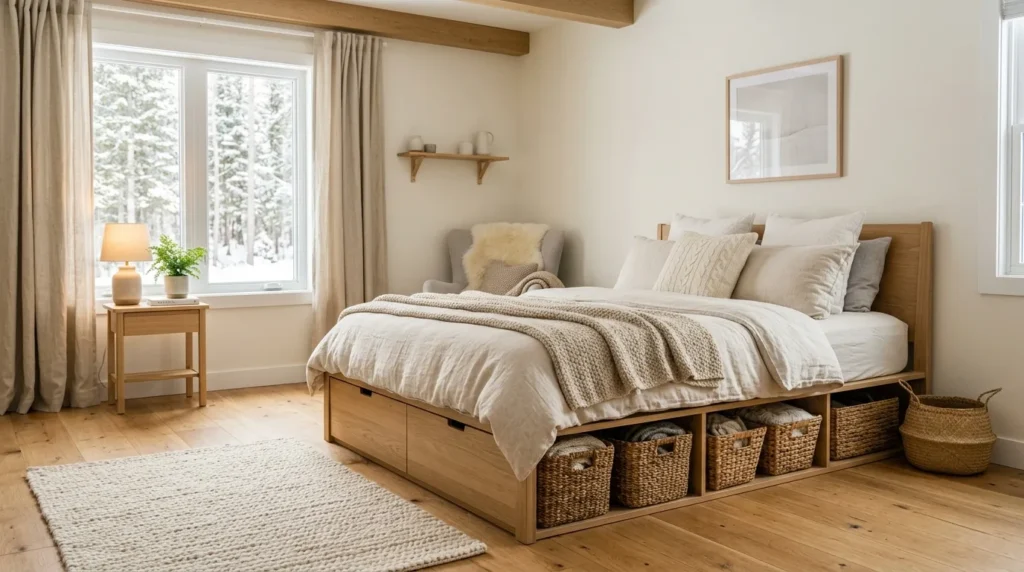
One lesson I learned after several winters is that guests remember how well they slept far longer than they remember what decorations were sitting on a shelf. That’s why I always begin with the bed before thinking about anything else. A comfortable mattress, fresh sheets, supportive pillows, and soft layers create a room that feels welcoming long before any seasonal décor comes into the picture. Even a modest bedroom can feel special when the bed looks inviting.
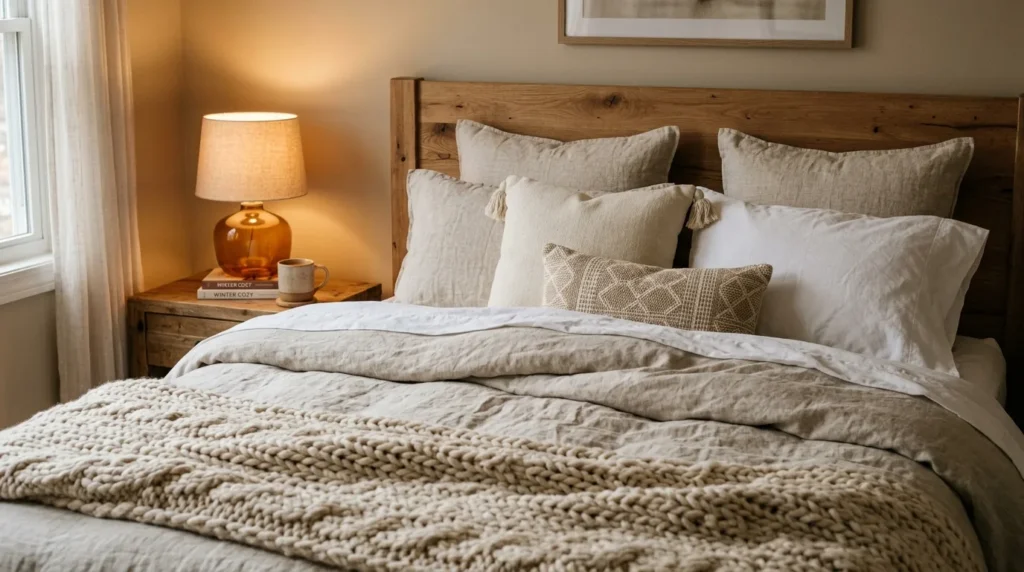
The biggest mistake I made was buying an oversized comforter because it looked luxurious in online photos. Once it arrived, it completely overwhelmed our small guest room. The thick bedding spilled over both sides of the bed, covered the bed frame, and visually filled almost every inch of the floor around it. The room instantly looked crowded. I returned it and switched to a medium weight duvet with crisp cotton sheets and a textured knit throw folded neatly across the foot of the bed. The room immediately felt lighter while still looking warm enough for winter.
Colorado winters also taught me that warmth doesn’t always come from thicker bedding. Our dry climate often makes heavy comforters feel too hot during the middle of the night because indoor heating keeps the house comfortable. Layering works much better. Guests can remove the throw if they get warm or pull it over themselves during colder nights. Giving people options creates a much better sleeping experience than forcing everyone to use one oversized blanket.
I also stopped filling the bed with decorative pillows. They looked attractive in photos, but every guest had to figure out where to place them before going to sleep. Now I keep two sleeping pillows for each guest and one simple lumbar pillow that adds style without creating extra work. It’s a small detail, but it makes the room feel practical instead of staged.
Choose Warm Lighting That Makes Winter Evenings Feel Relaxing
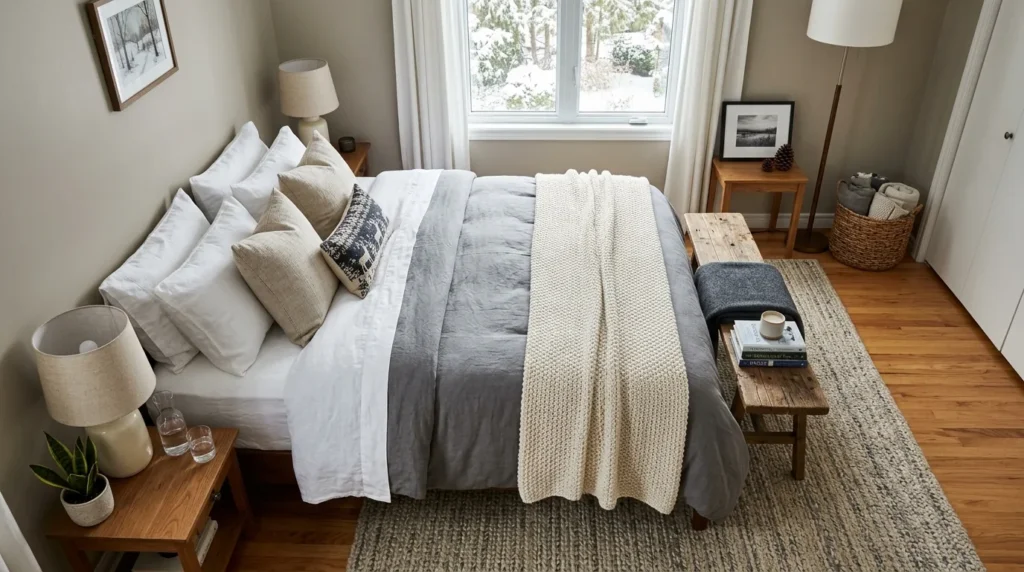
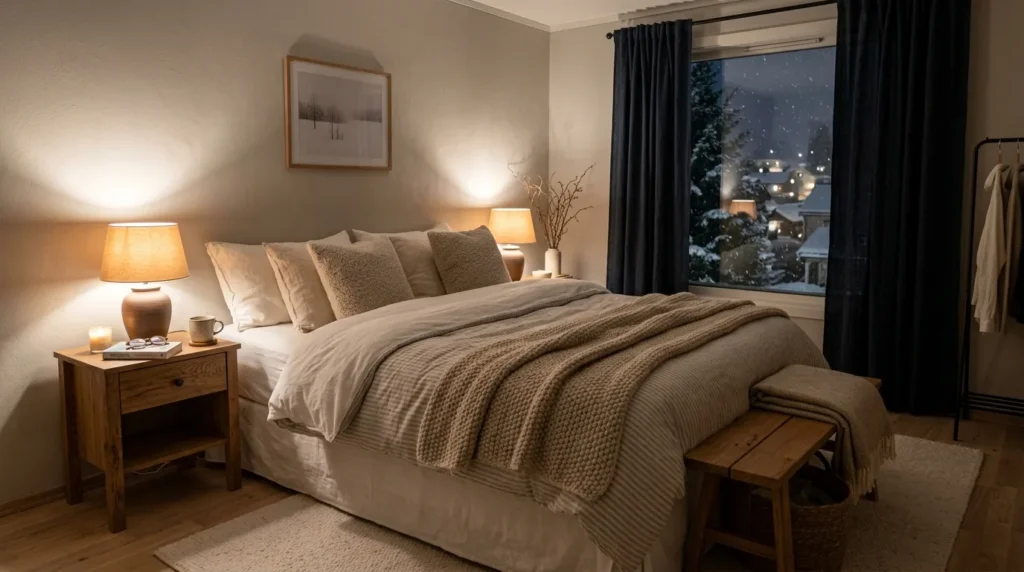
Lighting completely changed the atmosphere of our guest bedroom. For months I relied on the single ceiling fixture that came with the house, never realizing how cold and uninviting it made the room feel after sunset. During winter, daylight disappears early, and bright overhead lighting creates sharp shadows that make even freshly decorated rooms feel uncomfortable. Once I replaced that harsh lighting with several softer light sources, the entire bedroom felt calmer without changing anything else.
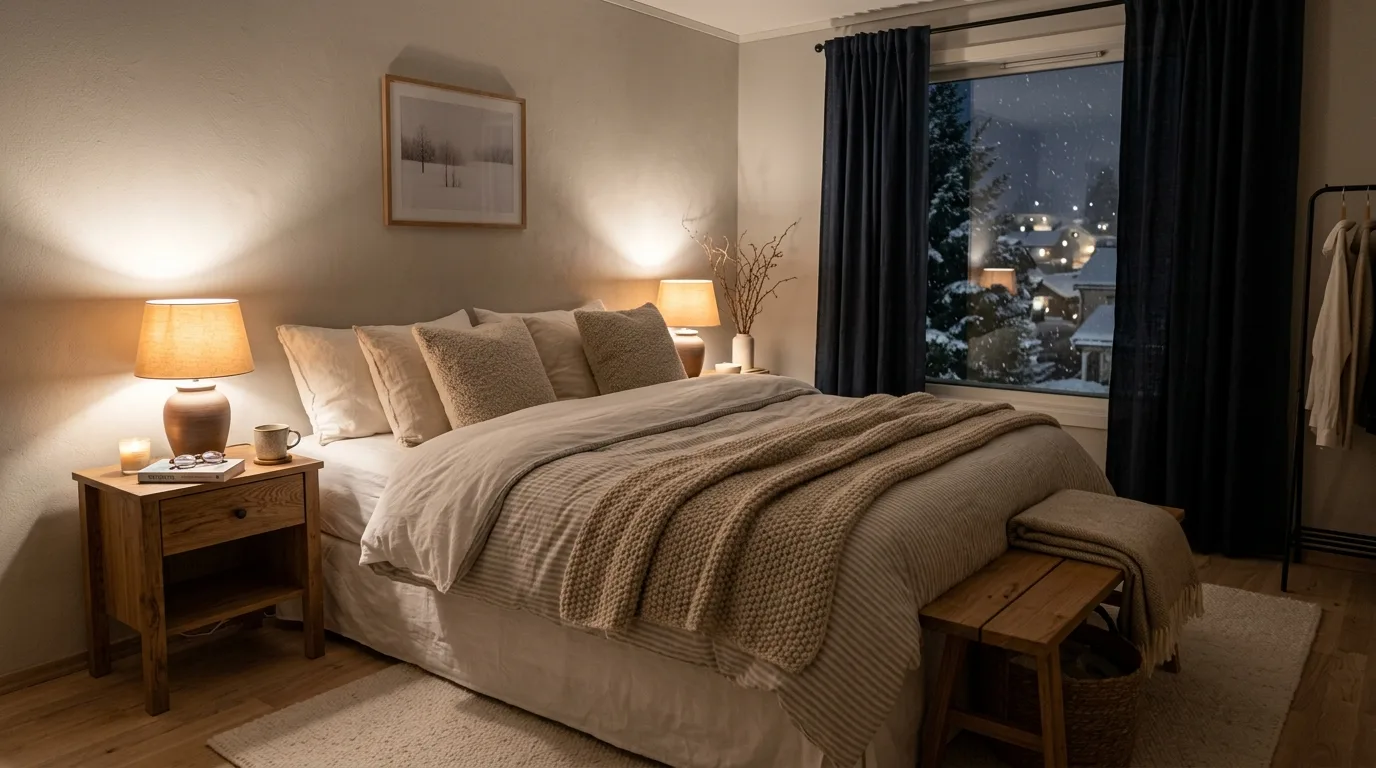
The first improvement was surprisingly affordable. I found a ceramic table lamp at HomeGoods for around $35 and paired it with a warm 2700K LED bulb. That single change made the room feel noticeably more comfortable during evening hours. Later, I added another matching lamp on the opposite side of the bed, and the balanced lighting made the room look far more finished than before. Instead of one bright light filling the room from above, soft light spread naturally across the walls and bedding.
Another detail I hadn’t considered was how Colorado’s winter sunlight affects colors inside the room. Bright afternoon sun poured through the window and faded quickly before dinner, leaving the bedroom feeling much darker than I expected. Warm lighting solved that problem by creating a gentle glow long after the natural light disappeared. Guests could read, unpack, or simply relax without feeling like they were sitting under office lighting.
If you’re decorating on a budget, lighting is one of the smartest places to spend your money. Expensive furniture won’t make much difference if the room still feels cold at night. A pair of affordable lamps from Target or IKEA often creates a bigger improvement than replacing an entire dresser, and it’s a change you’ll notice every single evening throughout the winter.
Use Winter Textures to Add Warmth Without Filling Every Corner
After my first attempt at decorating the winter guest room, I realized I had confused decorating with adding more things. Every shelf held holiday decorations, every surface displayed candles or ornaments, and the room felt busy instead of relaxing. Once I removed nearly half of those decorations, the bedroom immediately felt larger. That experience taught me that texture creates warmth much better than clutter ever can.
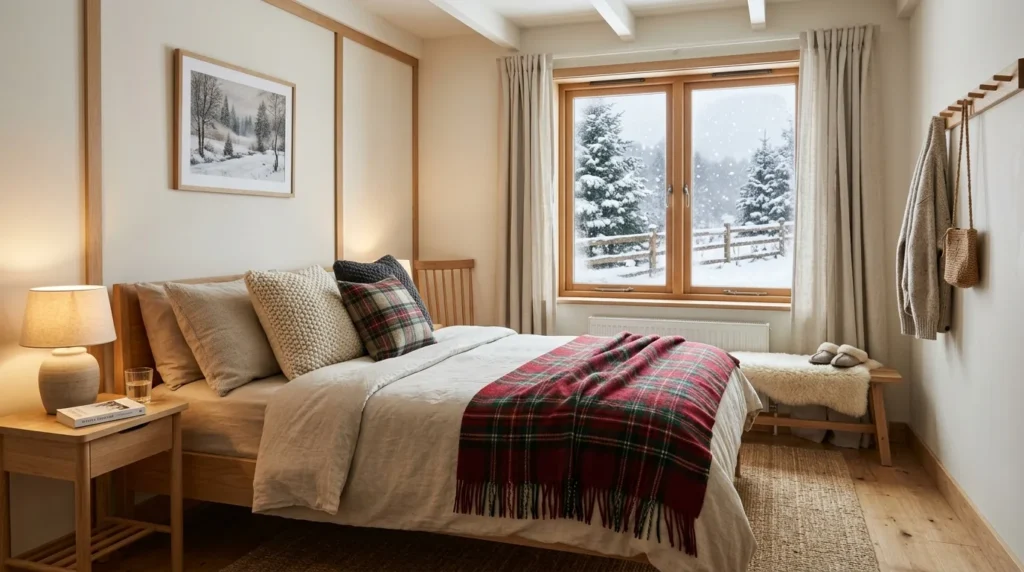
Soft materials naturally make a room feel more comfortable during winter. A chunky knit throw draped neatly across the bed, linen pillow covers, woven baskets, and a plush area rug beside the bed all add warmth without demanding attention. These pieces work throughout the entire season instead of looking out of place once the holidays are over. They also blend naturally with the modern minimalist style we’ve gradually built throughout our townhouse since moving in.
Wood accents made another noticeable difference. Our home still has many of the builder grade finishes common in early 2000s townhouses, including oak railings and beige carpeting upstairs. Instead of fighting those existing features, I introduced lighter wood accessories that complemented them. A simple wooden stool from our local Goodwill now works as a luggage stand during guest visits and doubles as extra seating whenever I need it in my office. Finding furniture that serves more than one purpose has become one of my favorite ways to decorate smaller rooms.
I also learned that winter doesn’t have to mean covering every surface with holiday decorations. A simple evergreen branch in a ceramic vase, a neutral woven basket for extra blankets, and one framed winter landscape provide enough seasonal character without making the room feel temporary. By the middle of January, the bedroom still feels inviting instead of looking like leftover holiday décor waiting to be packed away.
Select Furniture That Gives Guests More Space Instead of Filling the Room
One of the biggest improvements I made had nothing to do with winter décor. It came from removing furniture that simply didn’t belong in the room. When we first moved into our townhouse, the guest bedroom became a place for leftover pieces that didn’t fit anywhere else. A large dresser, an oversized accent chair, and a bulky bookshelf all found their way into that space. Individually they looked fine, but together they made the room feel cramped. Guests had to carefully move around furniture just to reach the bed, and opening a suitcase on the floor became almost impossible.
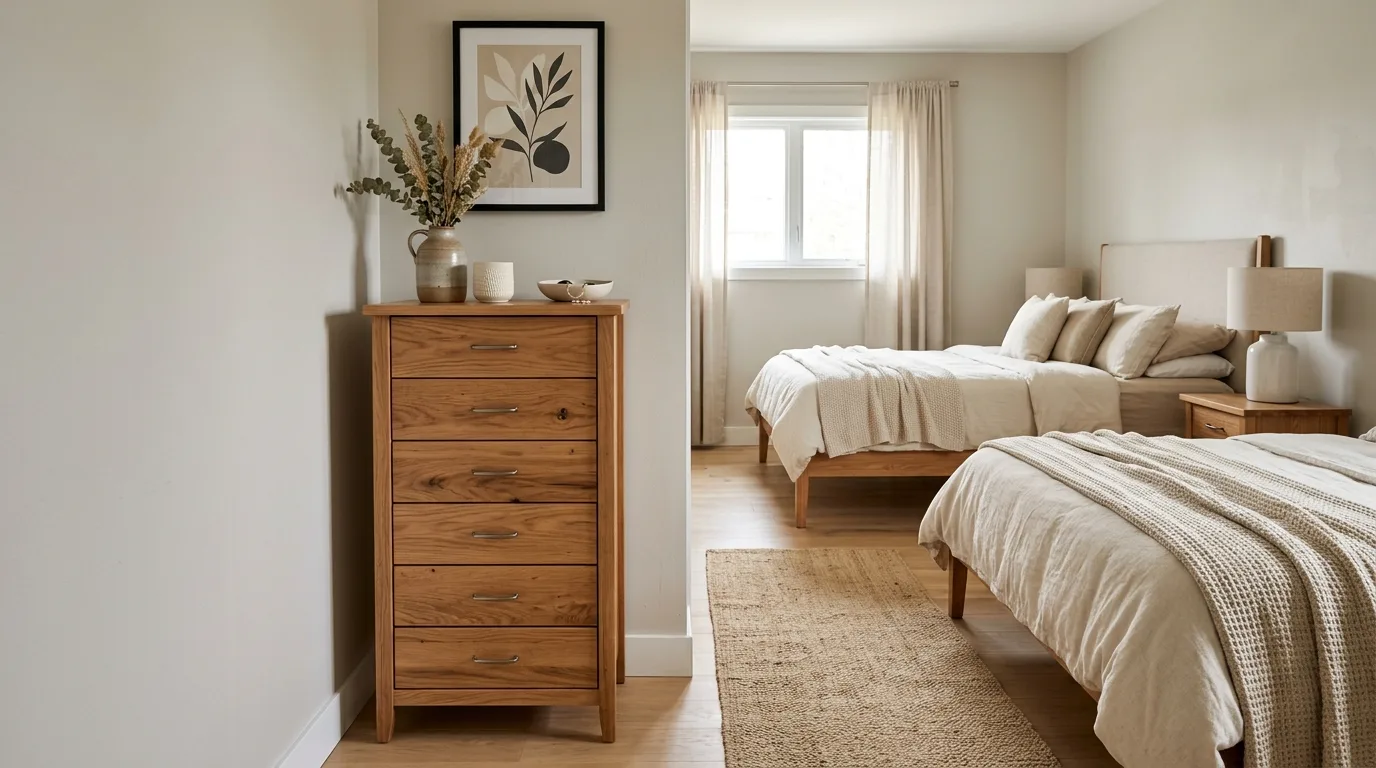
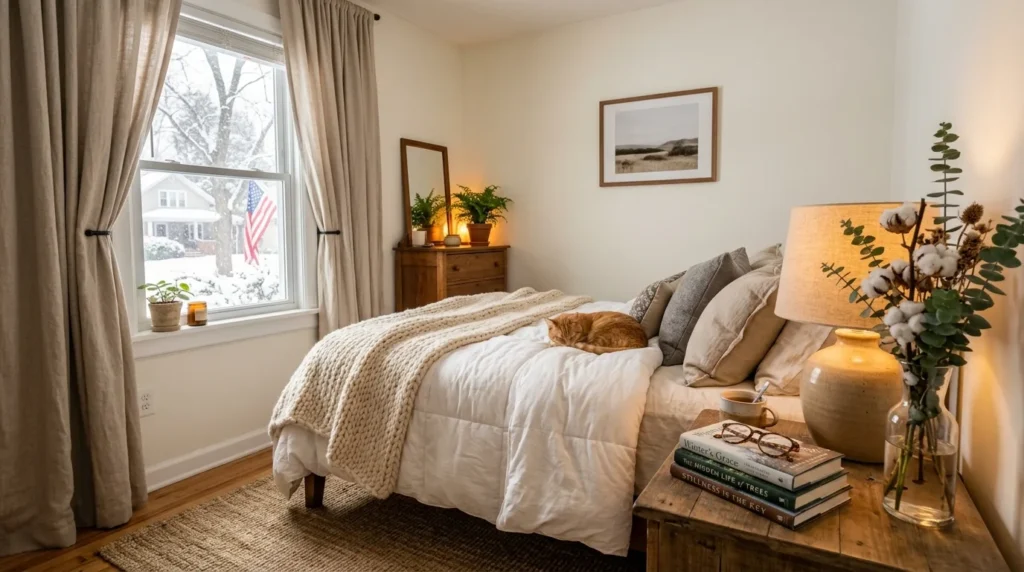
After living with that layout for more than a year, I finally admitted that the room needed fewer pieces, not better ones. I replaced the oversized dresser with a slimmer six-drawer unit that offered enough storage without taking over the wall. The large chair disappeared completely, and a simple wooden stool now serves three different purposes. Guests use it as a luggage stand, extra seating, or a place to set a handbag. Multi-purpose furniture has become one of the smartest investments we’ve made because every inch matters inside a modest bedroom.
The bedside tables also changed. Large nightstands looked balanced in furniture showrooms, but they blocked valuable walking space in our guest room. Instead, I chose narrower tables with one drawer and an open shelf underneath. That small change gave guests enough room for their phone, glasses, a book, and a cup of tea without making the room feel crowded. The open shelf keeps extra blankets or a woven basket within easy reach, which is especially helpful during winter visits.
If replacing furniture isn’t in your budget this year, try removing one unnecessary piece before buying anything new. Many bedrooms instantly feel larger simply because they have more open floor space. Sometimes the best decorating decision isn’t adding another item. It’s giving the room a little breathing room.
Add Winter Colors That Feel Timeless Instead of Holiday Themed
I used to think decorating for winter meant filling the room with bright reds, glittery decorations, and holiday prints. That looked festive in December, but by the first week of January the room already felt outdated. Packing everything away also left the bedroom looking empty until spring arrived. Eventually I realized that winter decorating works much better when it celebrates the season instead of a single holiday.
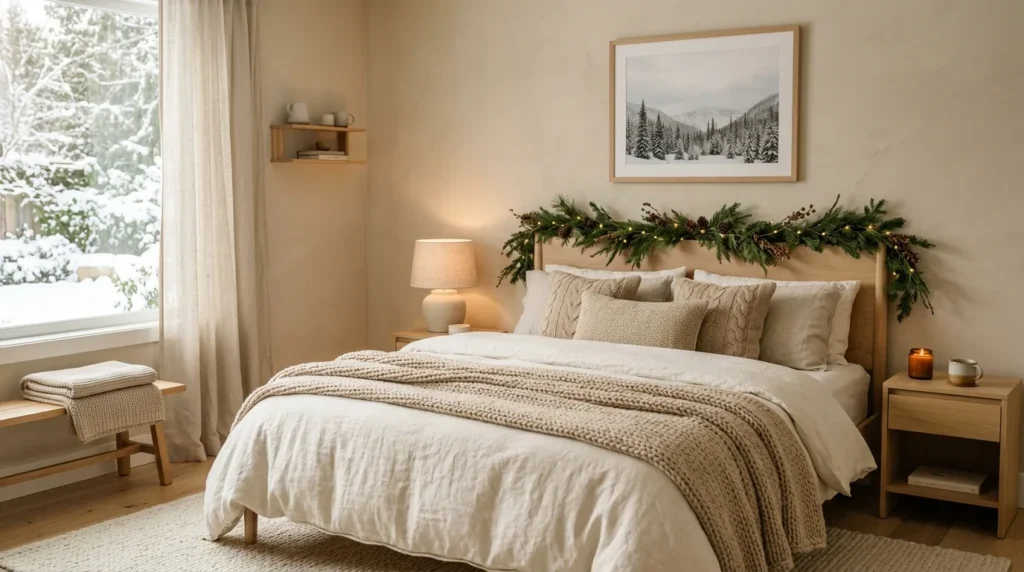
Today I build the room around soft neutral shades that feel warm throughout the entire winter. Cream bedding, oatmeal colored throws, warm taupe curtains, muted green accents, and natural wood accessories create a peaceful atmosphere without feeling temporary. Those colors reflect light beautifully during the day while still making the room feel comfortable after sunset. They also pair well with the modern minimalist style we’ve slowly created throughout the rest of our townhouse.
Texture plays an important role here as well. Instead of introducing bold colors everywhere, I mix different materials to create visual interest. Linen pillow covers, knitted blankets, woven baskets, ceramic lamps, and lightly grained wood furniture all work together without making the room feel busy. Guests often notice how calm the bedroom feels, even though there aren’t many decorative items inside it. That balance is exactly what I was hoping to achieve.
Another lesson came from our Colorado climate. Bright sunshine reflects off winter snow and pours through the windows on clear mornings. Very cool gray colors can suddenly look cold and lifeless under that light. Choosing warmer neutrals helped soften the entire room while still keeping it bright. It’s a simple adjustment, but one that made a noticeable difference every winter.
Create Thoughtful Storage That Makes Guests Feel Comfortable
Nothing makes visitors feel more welcome than having a place for their belongings. During our first holiday season, guests lived out of their suitcases because every drawer was already full of office supplies and extra household items. They never complained, but I could tell it wasn’t convenient. Since then, I’ve started preparing the room as if I were checking into it myself.
Before every visit, I empty several dresser drawers and leave a section of the closet completely available. Even if guests only stay for two or three nights, having space to unpack helps the room feel like their own instead of a temporary sleeping area. A handful of quality wooden hangers, an empty laundry basket, and a luggage stand make a surprisingly big difference without costing much money.
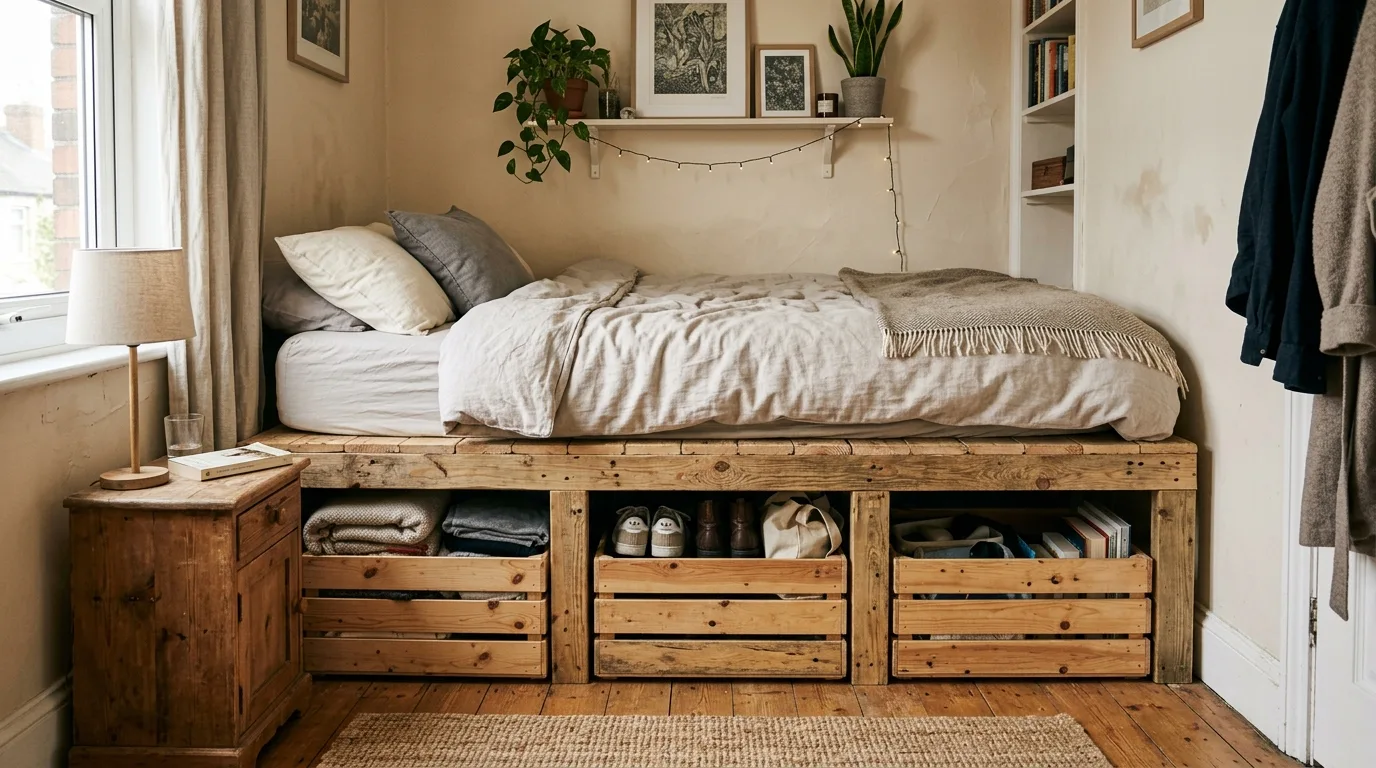
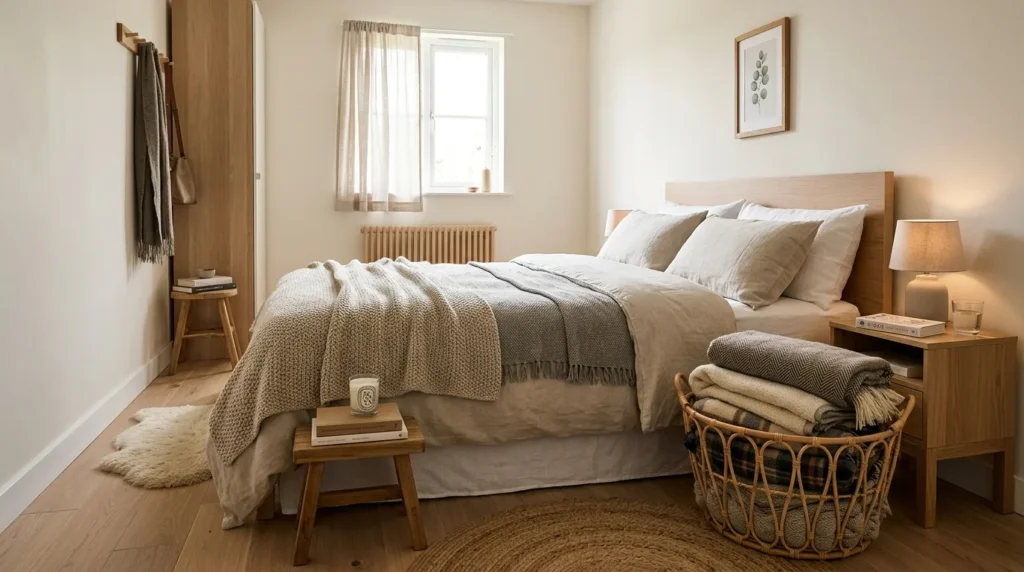
I also place an extra blanket inside a woven basket near the bed rather than storing it inside a closet. Guests don’t have to search for additional bedding if they become cold during the night. A small tray on the bedside table holds bottled water, tissues, a phone charger, and a simple note with the Wi Fi password. These practical details often receive more compliments than any decorative item in the room because they make guests feel genuinely cared for.
One thing I avoid now is filling every shelf with decorations. Leaving empty space actually makes the bedroom more useful. Visitors have somewhere to place a book, their glasses, or a travel bag without feeling like they’re disturbing carefully arranged displays. Empty space isn’t wasted space. In a guest bedroom, it becomes one of the most valuable features you can offer.
A Simple DIY Project That Made the Room Feel More Personal
One weekend last fall, I decided the wall above the bed needed something different. Instead of buying expensive artwork, I visited Michaels and picked up three unfinished wooden frames along with printable winter landscape artwork. The entire project cost less than $50, and I thought it would take less than an hour.
Of course, it didn’t go exactly as planned. I measured the wall once, marked the nail positions, and proudly hung all three frames. After stepping back, I immediately noticed they weren’t level. One frame sat nearly an inch lower than the others, and the uneven spacing became impossible to ignore. That meant another trip to Home Depot for patching compound, fresh paint, and a better level.
Although the extra work felt frustrating at the time, I’m glad I slowed down and fixed it properly. The finished gallery now adds personality without overwhelming the room, and guests often assume the artwork was professionally installed. More importantly, creating something myself made the room feel far more personal than simply buying another mass produced decoration.
What I’d Do Differently After Decorating Our Winter Guest Bedroom
Looking back, I spent far too much time chasing picture perfect inspiration instead of thinking about how the room would actually be used. Social media made every guest bedroom look polished, but those spaces rarely showed practical details like where guests put their luggage, charge their phones, or store an extra sweater. Once I started decorating with real visitors in mind, every decision became easier. Comfort replaced clutter, and the room finally felt like part of our home instead of a seasonal display.
Another mistake was buying inexpensive accessories simply because they matched the latest trend. Several pillow covers started pilling after one season, and a faux fur throw looked worn before winter ended. Replacing low-quality pieces every year quickly became more expensive than buying fewer, better-made items from the beginning. Now I focus on timeless basics that can stay in the room throughout the year and only swap out a few seasonal accents when winter arrives.
I also underestimated how important lighting would become during shorter winter days. Even beautiful furniture couldn’t hide the fact that the room felt cold under one bright ceiling fixture. Adding two warm table lamps completely changed the mood without requiring a major renovation. If I had to decorate this room again from scratch, lighting would be one of my very first purchases instead of one of the last.
Perhaps the biggest lesson was learning that empty space has value. Every shelf doesn’t need decorations, and every wall doesn’t need artwork. Leaving room for guests to unpack, place their belongings, or simply enjoy a clutter free environment makes the bedroom feel more relaxing. That balance between style and function has become the guiding principle for every decorating project in our townhouse.
Small Finishing Touches That Leave a Lasting Impression
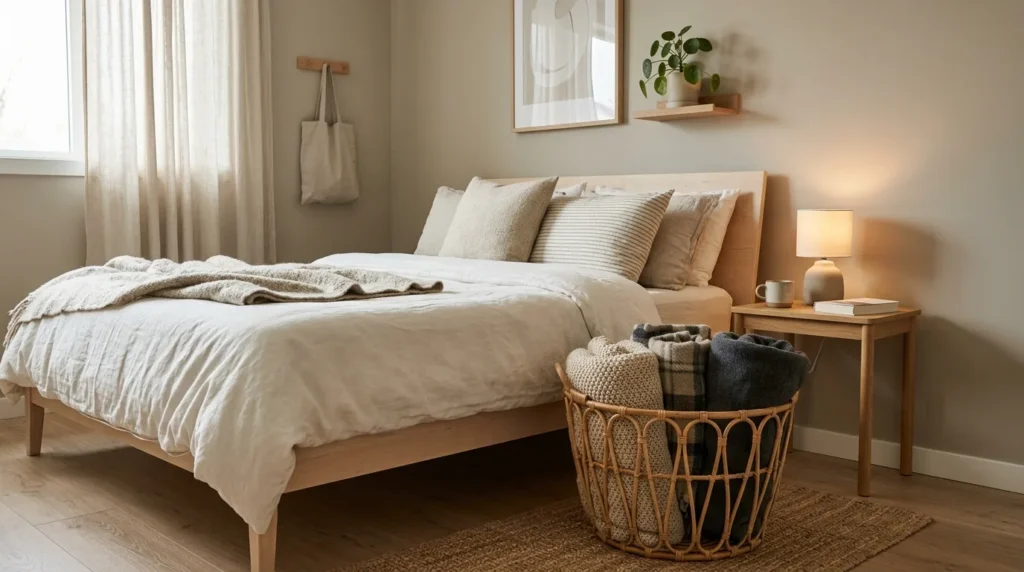
The details guests remember usually aren’t the expensive ones. A folded throw blanket waiting at the end of the bed, a carafe of fresh water on the nightstand, or a basket with extra towels quietly tells visitors that you planned ahead for their comfort. Those thoughtful additions create a welcoming experience without making the room feel overly formal.
Fresh greenery is another simple update I enjoy every winter. A few evergreen stems in a ceramic vase bring natural color into the room while lasting much longer than fresh flowers. Because the arrangement stays neutral, it still looks appropriate after the holiday season ends. During brighter winter mornings, the greenery catches the sunlight coming through the window and adds life to the room without overwhelming it.
Scent also plays a role, but I keep it subtle. Strong fragrances can bother guests, especially after traveling. Instead of heavily scented candles or diffusers, I wash all bedding with a lightly scented detergent and open the window for a few minutes before guests arrive whenever the weather allows. The room feels fresh without becoming overpowering.
Finally, I always spend one night in the guest bedroom before family visits. That simple habit has helped me notice small problems I would have otherwise missed, like a reading lamp that wasn’t bright enough, a mattress that needed an extra topper, or curtains that allowed too much early morning light into the room. Seeing the space through a guest’s eyes has improved the bedroom more than any decorating purchase ever could.
Make Your Guest Bedroom a Place People Look Forward to Returning To
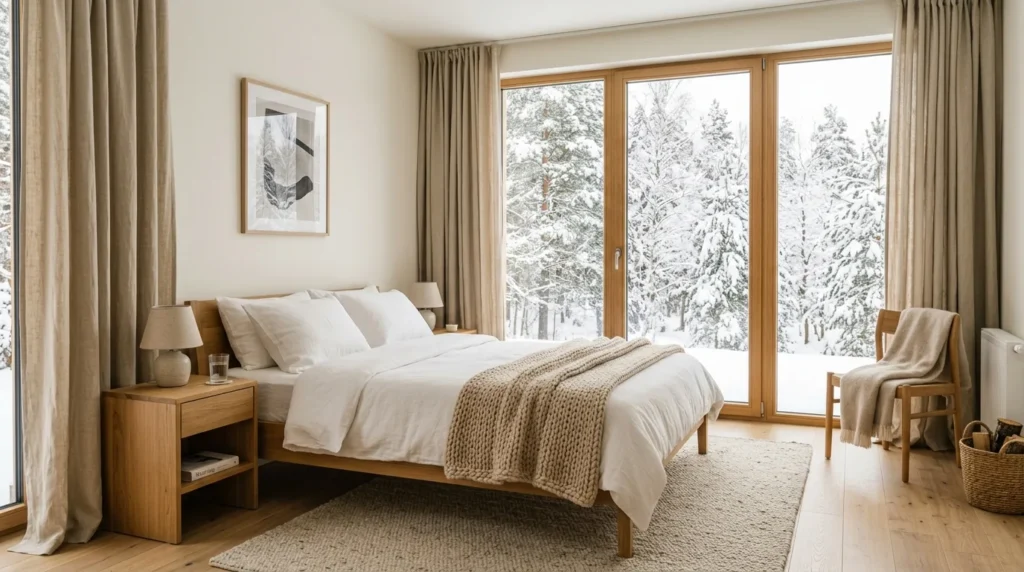
Creating a welcoming winter guest bedroom isn’t about copying expensive designer spaces or filling every corner with seasonal decorations. The most memorable rooms feel comfortable because every detail has a purpose. Warm bedding, soft lighting, practical storage, and a calm color palette work together to create an atmosphere where guests can truly relax after a long day of traveling.
After several winters of trial and error, our spare bedroom finally feels like a natural extension of the rest of our home. It still serves as my office for most of the year, but when family arrives, the transition takes only a few minutes instead of an entire weekend. That flexibility has been one of the biggest advantages of decorating thoughtfully instead of decorating more.
If you’re planning to refresh your own guest room this season, start with one improvement instead of trying to change everything at once. Replace outdated bedding, add warmer lighting, clear unnecessary furniture, or create a simple space where visitors can unpack comfortably. Small updates often have the biggest impact, and over time they’ll create a bedroom that guests remember long after winter has ended.
If you found these winter guest bedroom ideas helpful, explore more decorating inspiration here on CompactDecorHub. You’ll find practical ideas for modest homes, seasonal decorating tips, and realistic solutions that make everyday spaces feel warmer, more functional, and easier to enjoy without stretching your budget.