A small home is not a design limitation it is a design opportunity. The way you use space matters far more than how much space you have. Many homes feel cramped not because Smart Storage they are small, but because they lack structure, planning, and smart choices. When furniture, layout, and decor are not aligned with daily needs, even a sized room can feel crowded and uncomfortable.
This guide focuses on practical compact decor ideas that turn limited space into functional, stylish living. Instead of overloading your home with items, you will learn how to use every corner with purpose, keep layouts clean, and choose designs that make your space feel open and balanced. The goal is simple: create a home that looks better, works better, and feels easier to live in every day.
Smart compact design solves this problem. It focuses on simplicity, function, and balance. When every object in your home serves a purpose, your space naturally feels more open and peaceful. This guide explores practical and detailed ideas to help you transform even the smallest home into a well organized, stylish living space.
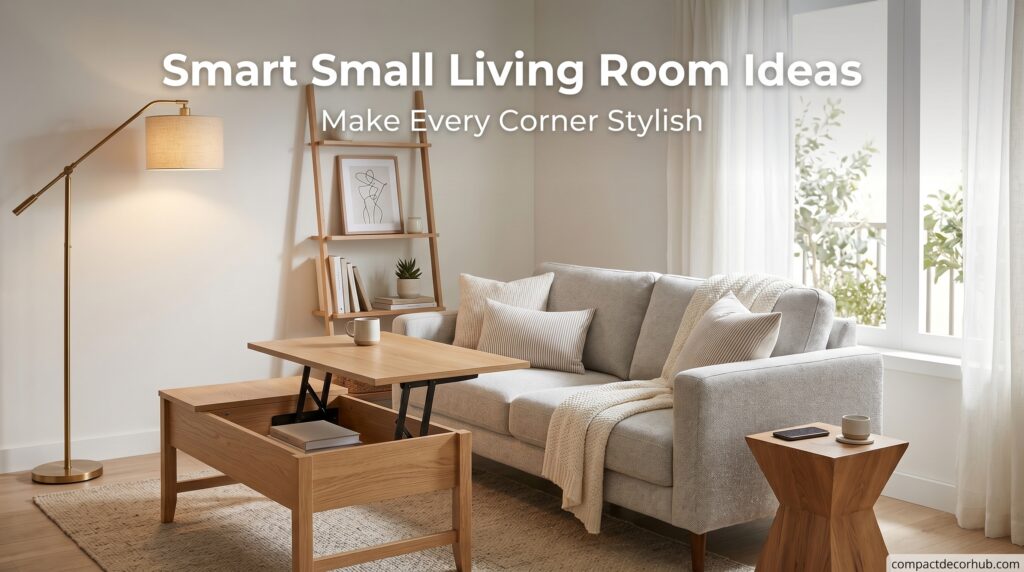
Understand Your Space Before Designing
Every successful design starts with awareness. Look at your home Smart Storage carefully and notice how each area functions. Identify spots that feel blocked or unused. When you understand movement and daily habits, you can arrange furniture in a way that improves flow. A clear layout reduces confusion and makes your space easier to manage.
Before making any design decisions, study your space carefully. Observe Smart Storage how you move through each room during the day. Notice where you feel stuck, where clutter builds up, and which areas stay unused.
A small home becomes efficient when every corner has meaning. Instead of forcing furniture into a room, design based on natural movement. This step alone can solve many space issues without spending any money.
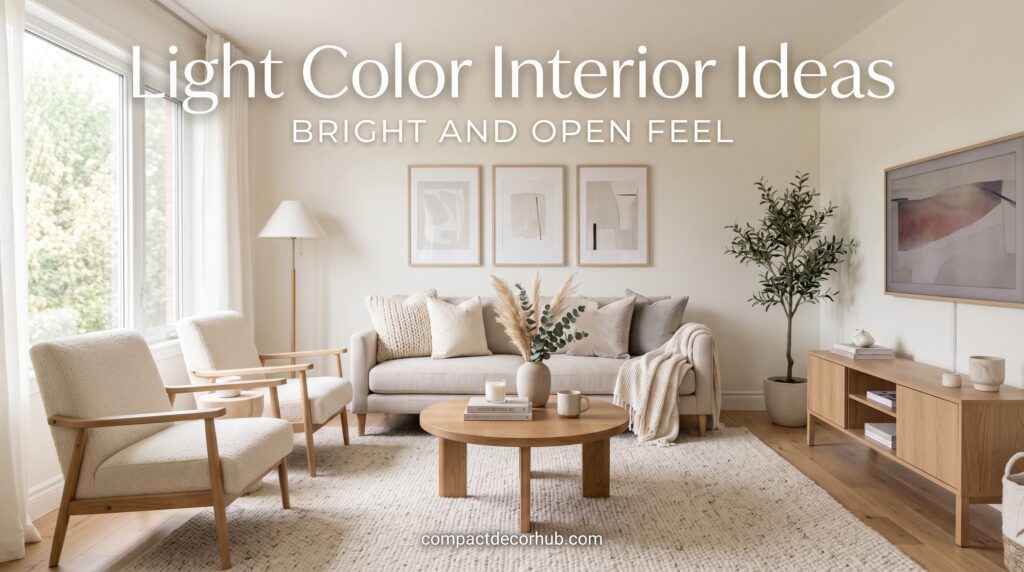
Create Zones Without Walls
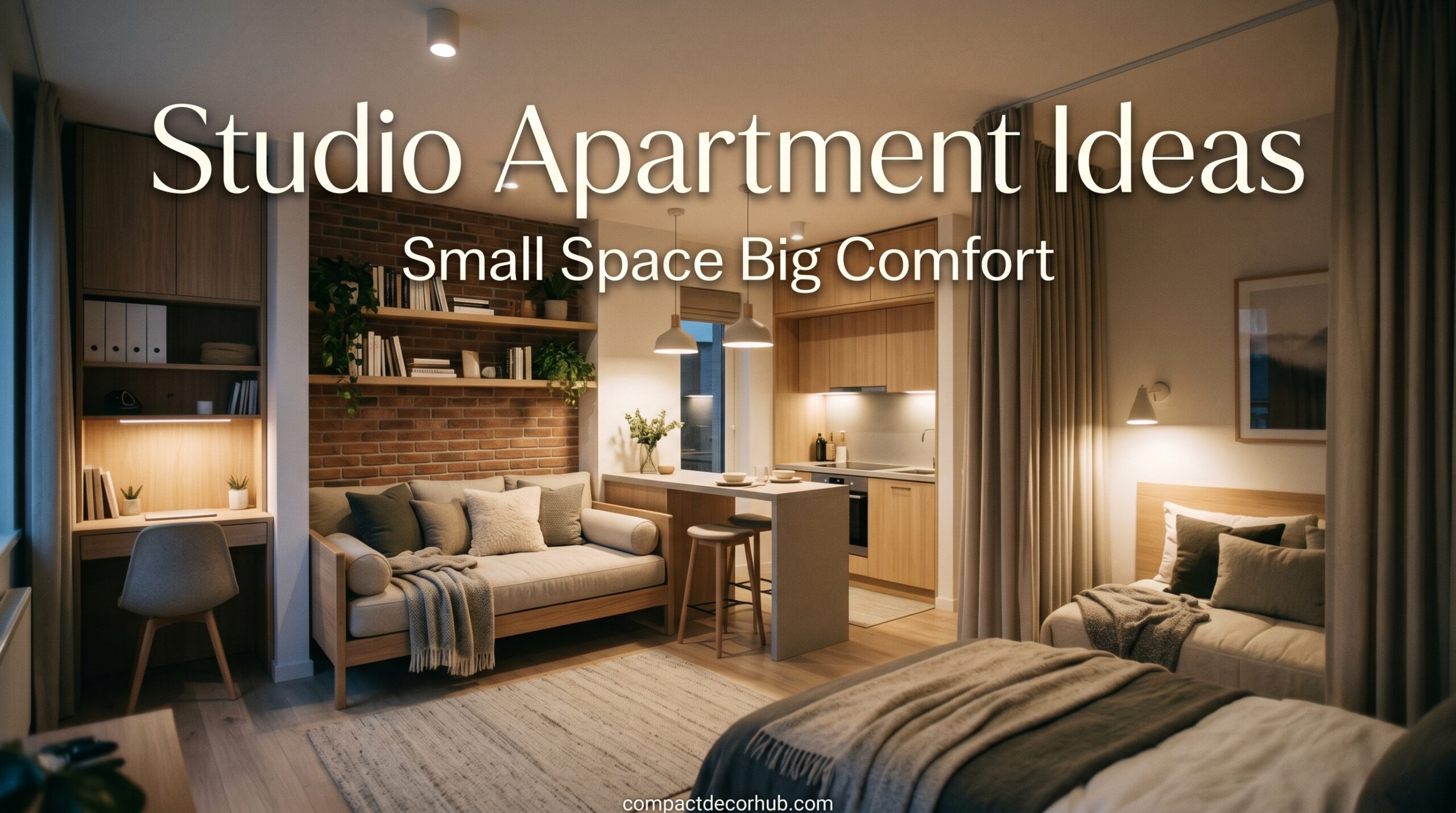
Small homes benefit from clear zones. Instead of building walls, use simple design elements to separate areas. A rug can define a seating area, while lighting can highlight a workspace. This approach keeps the space open while giving each section a purpose.
A strong layout makes everything easier. Think of your home as a system, not just a collection of rooms. Each area should support a specific activity.
For example:
- Sleeping zone should feel calm and simple
- Working zone should stay organized and distraction free
- Relaxing zone should feel open and comfortable
Avoid placing furniture randomly. Instead, map out your space before buying or moving anything. Even small adjustments in placement can create a big difference in comfort and flow.
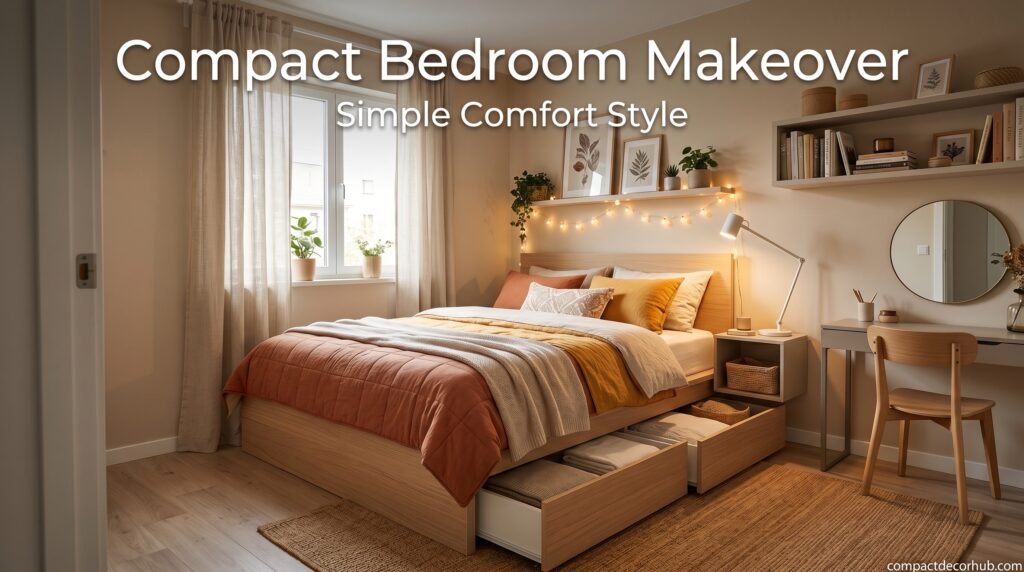
Choose Furniture That Adapts
Adaptable furniture makes a huge difference. Pieces that change function save both space and effort. A foldable table, a bed with storage, or a bench that doubles as a storage unit can reduce clutter instantly. When furniture adapts to your needs, your home feels more flexible and efficient.
In compact homes, furniture must do more than one job. This is one of the most effective ways to save space without sacrificing comfort.
Smart examples include:
- Beds with hidden storage drawers
- Sofas that turn into guest beds
- Folding dining tables
- Ottomans that store items inside
When one item replaces two or three, your space automatically feels cleaner and more open. It also reduces the need for extra storage units, which often create visual clutter.
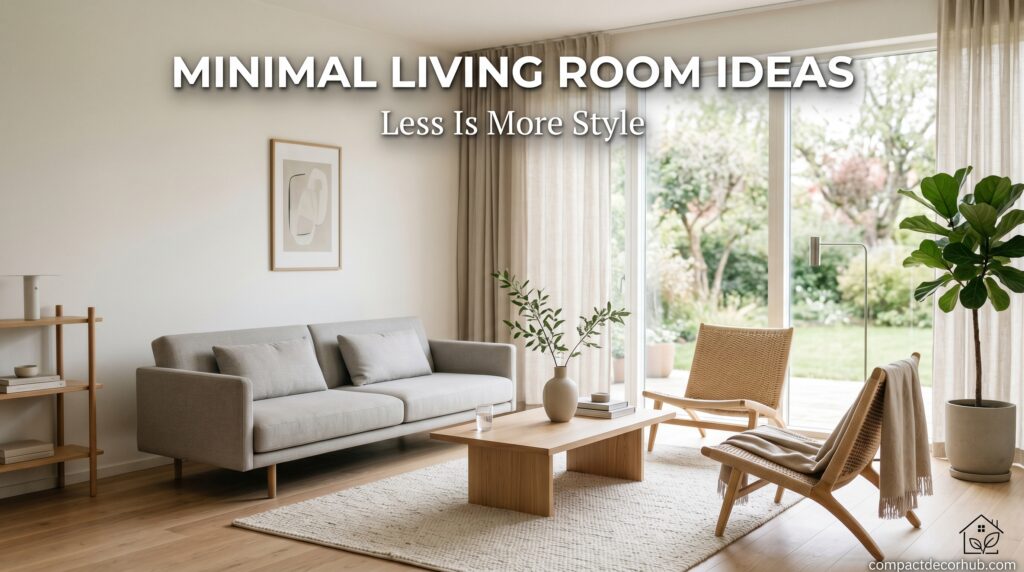
Keep the Floor Open
Open floor space creates a sense of freedom. Avoid placing too many items on the ground. Choose furniture with legs so the floor remains visible. This simple trick makes your room feel larger and less .
Natural light improves both mood and design. Keep windows clear and avoid heavy curtains. Light spreads across the room and makes it feel open. Combine natural light with soft artificial lighting to remove shadows and create balance.
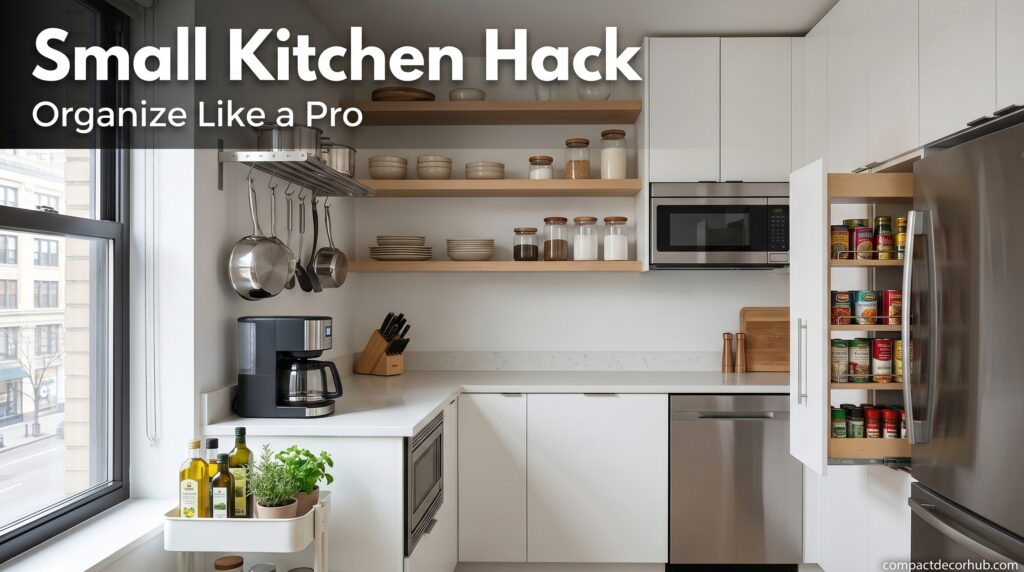
Use Color to Expand the Room
Color shapes how we see space. Soft and neutral shades reflect light and create openness. Instead of using dark tones everywhere, keep the base light and add depth through small accents. This keeps the design interesting without shrinking the room visua
Busy surfaces create visual stress. Keep tables, shelves, and counters neat. Display only a few meaningful items instead of filling every space. Clean surfaces make your home look organized and calm.
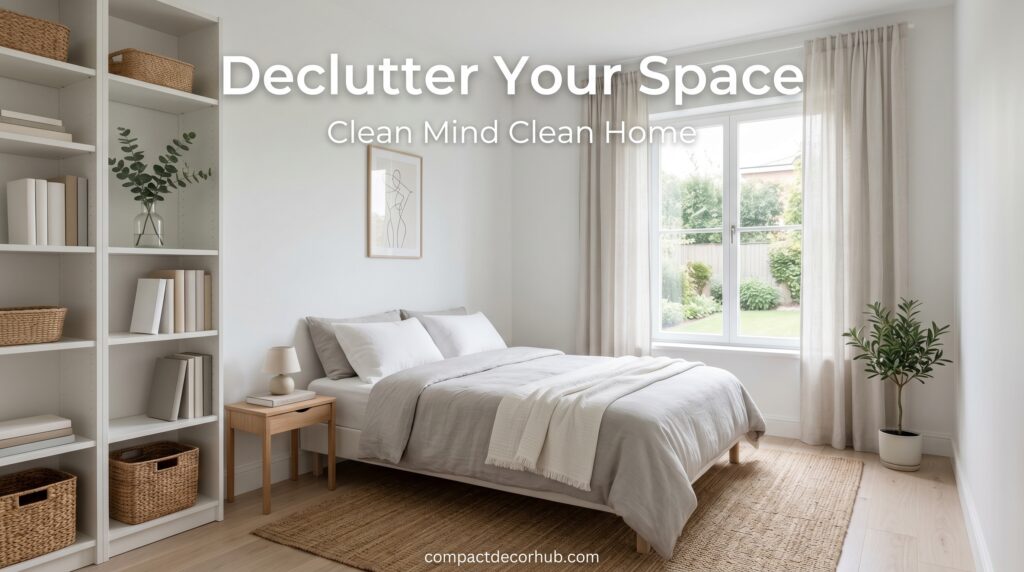
Make Storage Invisible
Hidden storage keeps your home tidy without affecting the design. Use furniture that stores items inside or behind panels. This keeps your belongings out of sight and maintains a clean look.
Even a simple space needs character. Use different textures like soft fabrics, wood, or light patterns to create depth. This adds warmth without adding clutter.
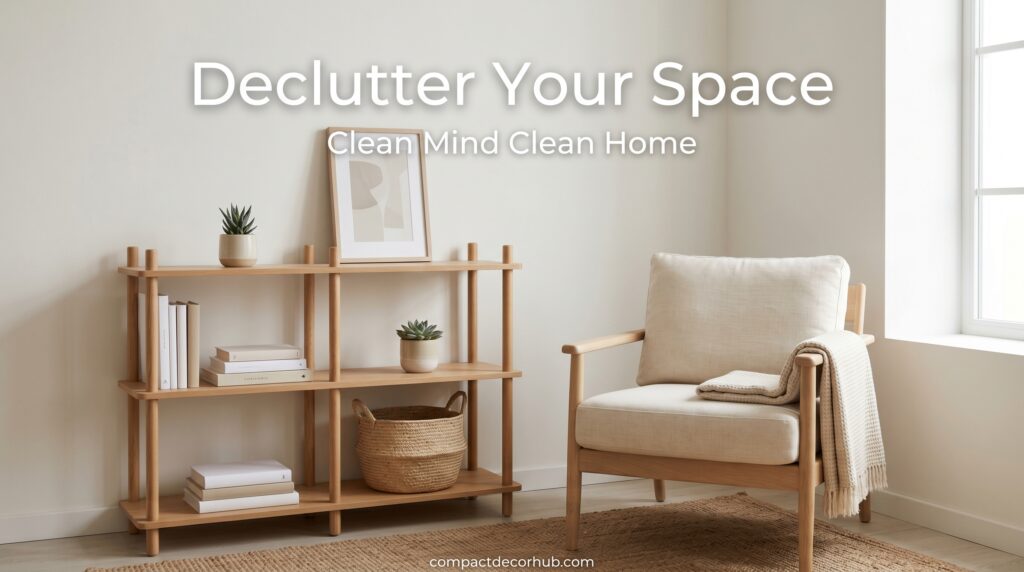
Focus on One Highlight Area
Every room should have one focal point. It could be a piece of art, a statement chair, or a styled shelf. This draws attention and reduces the need for too many decorations.
Use Corners Effectively
Corners often go unused, but they offer great potential. A small shelf, plant, or compact chair can turn an empty corner into a useful space. This improves both design and function.
A well-designed space allows easy movement. Avoid blocking pathways with furniture. Keep enough space to walk freely. This improves comfort and makes your home feel larger.
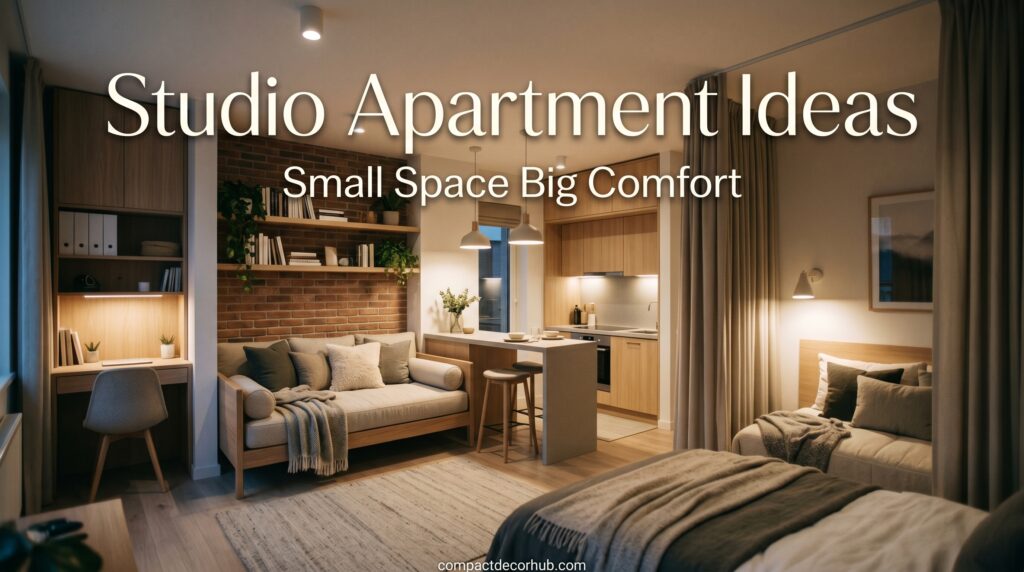
Add Life With Simple Elements
You do not need heavy decor to make your home feel alive. A small plant, a soft throw, or a simple lamp can add warmth. These small touches improve the overall feel without taking up much space.
Lighting does more than brighten a room it changes perception. A well it space always feels larger and more welcoming Smart Storage Smart Storage.
Use a mix of:
- Natural light during the day
- Warm lights for comfort
- Focus lights for specific areas
Avoid dark corners because they make rooms feel smaller. Place lamps strategically to spread light evenly across the room. Good lighting can completely transform even the simplest space.
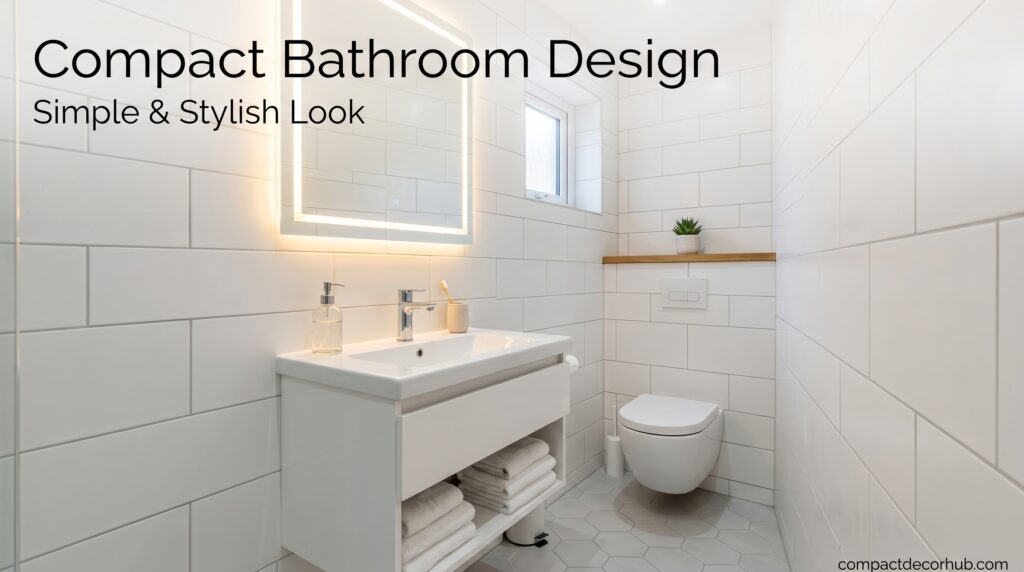
Stay Consistent With Design
Consistency creates harmony. When colors, materials, and styles Smart Storage match, your home feels more organized. Avoid mixing too many design styles, as it can make the space feel messy.
Color plays a psychological role in how we feel space. Light colors expand visual perception, while dark tones compress it.
Best choices for compact homes:
- White
- Beige
- Soft grey
- Light earthy tones Smart Storage
You can still add personality through small Smart Storage accents like cushions, artwork, or rugs. The key is balance. Keep the base light and introduce contrast carefully.
Think Practical First
Design should support your daily life. Choose items that solve problems and improve Smart Storage comfort. A practical space always feels better than a decorative but unusable one.
Visual flow means how your eyes move through a space. In small homes, this flow should stay uninterrupted.
Avoid:
- Overcrowded furniture placement Smart Storage
- Large, heavy dividers
- Too many decor items in one area
Instead, leave open paths between furniture. This makes movement easier and improves the feeling of space.
Conclusion
A small home becomes powerful when you design it with intention. Smart layout, adaptable furniture, and simple styling can completely transform how your space looks and feels. You do not need more space you need better use of the space you have. When every element serves a purpose, your home becomes easier to live in, more Smart Storage comfortable, and visually balanced.
FAQs
1. What is the first step in designing a small home?
Start by understanding your layout and identifying problem areas.
2. How can I make my home feel less crowded?
Keep surfaces clean, reduce clutter, and use fewer but more useful items.
3. What type of decor works best in small spaces?
Simple, functional, and minimal decor works best.
4. How do I improve storage in a compact home?
Use hidden storage and multi purpose furniture.
5. Can I decorate without making my space look full?
Yes, focus on a few meaningful pieces instead of many small items