
Fall brings a special kind of comfort that instantly changes the feeling of a home. As temperatures drop and leaves turn golden, cozy textures, warm lighting, and earthy colors create a relaxing atmosphere that feels both peaceful and inviting. The fall aesthetic is more than seasonal decor. It is a lifestyle filled with warmth, comfort, and beautiful details that make every space feel welcoming.
From soft knit blankets and pumpkin decor to candlelit corners and cozy coffee setups, fall decorating transforms ordinary rooms into stylish autumn retreats. Whether you love modern interiors, farmhouse charm, minimalist spaces, or apartment styling, the right fall aesthetic can make your home feel elegant and comforting at the same time.
This guide shares inspiring fall aesthetic ideas, cozy decorating tips, and stylish autumn inspiration to help you create a warm and beautiful home throughout the season.

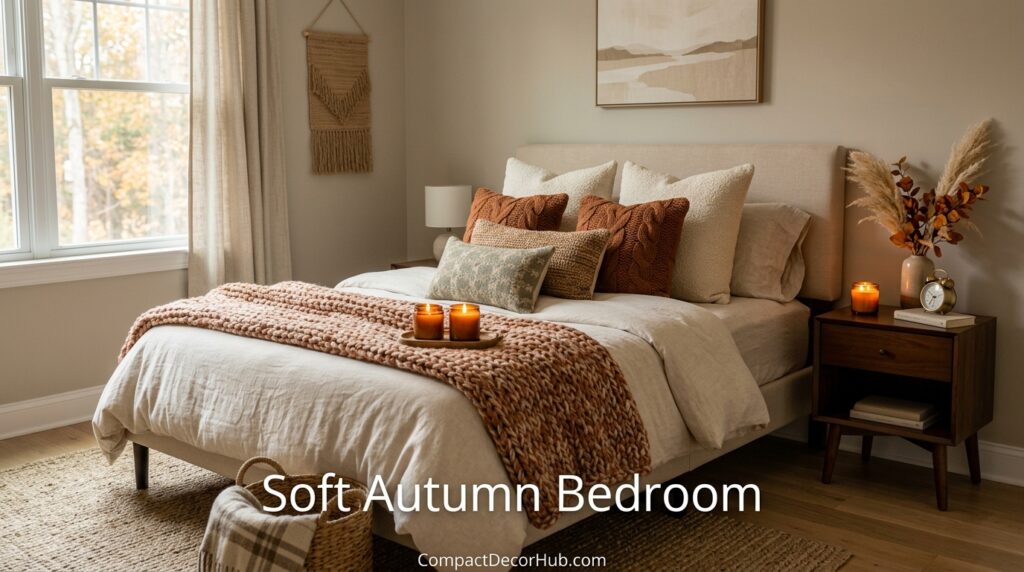
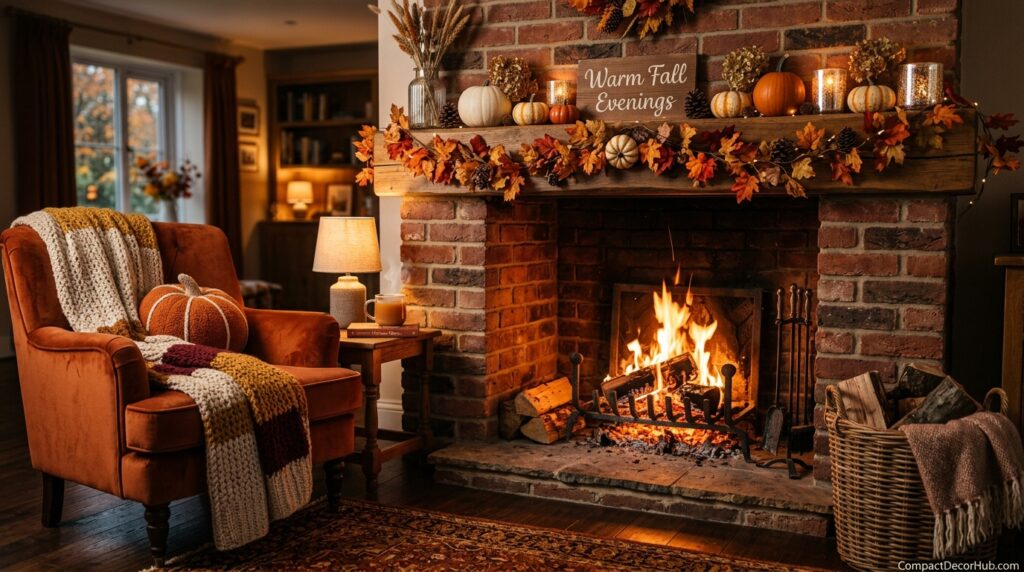
1. Swap Textiles First, Before Buying Anything New
Honestly, the single most effective fall move I make every year costs nothing if I’ve kept a small off season bin from the year before. Our sofa normally runs neutral two warm white linen pillows, a loose weave throw in oat. In October, those go into a storage bin and out come two pillar pillows in a rust-and-oatmeal stripe (World Market, around $22 each) and a chunky knit throw in warm camel.
That one swap changes how the entire living room reads.
If you’re building a fall textile rotation from scratch, here’s what to look for:
- Pillow covers in rust, deep olive, or warm terracotta covers over inserts store flat and take up almost no room in a bin
- A throw in camel, warm brown, or deep ochre rather than bright orange, which skews Halloween specific by mid October
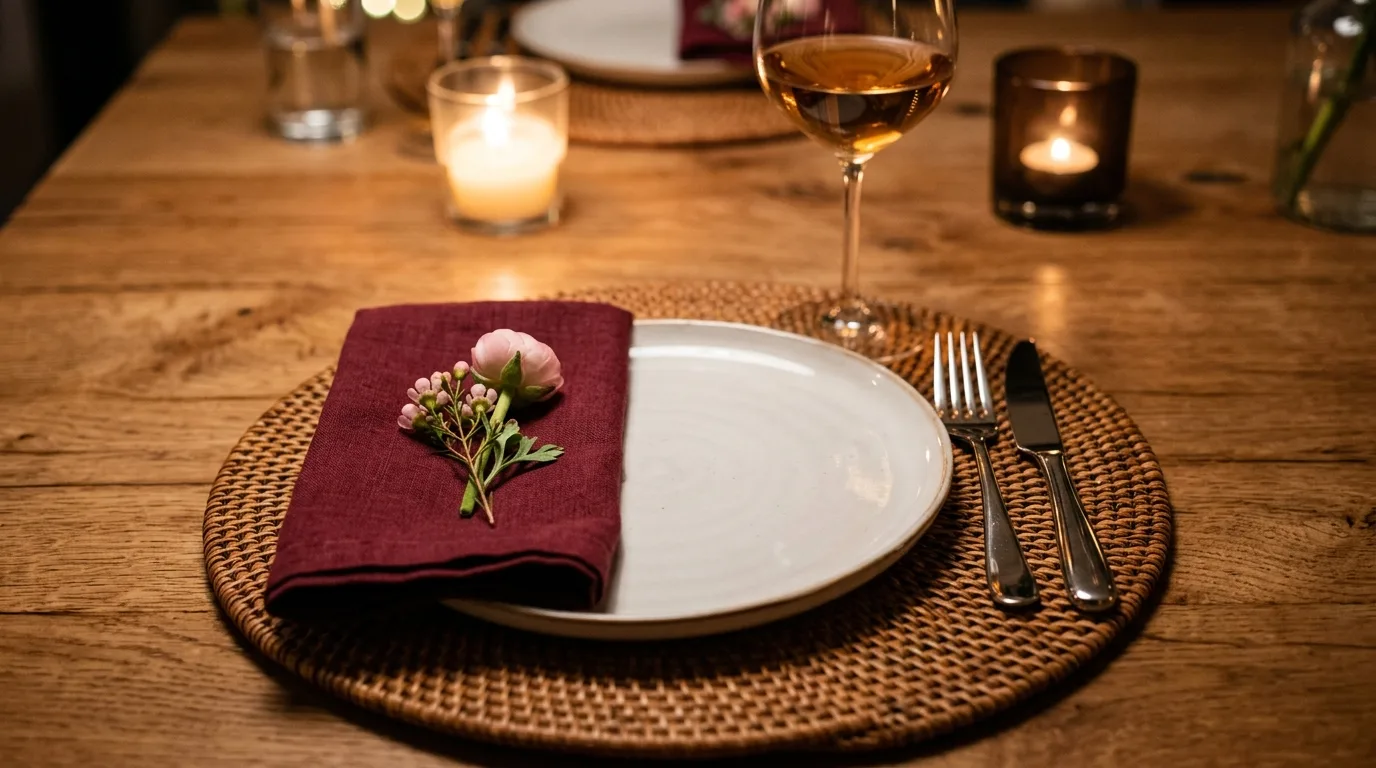
- One or two linen napkins or a simple table runner in a complementary fall tone if you have a dining surface
Target’s fall textile section usually carries pillow covers in the $14 24 range that layer well with what you already own. Covers over inserts are always the smarter move in modest square footage they fold flat and take up maybe a tenth the space of full stuffed pillows.
The mistake I made my first fall: buying prints with large leaf patterns and plaid that felt very on theme in September and looked dated by the first week of November. Warm solids in rust, camel, and olive last the full season without looking like they’ve passed their moment.
2. Build the Scent Layer Carefully, Especially in a Dry Climate
Fall aesthetic isn’t only visual. The way a room smells in October is a real part of the feeling, and in a limited space, one candle does most of the work.
Something nobody warned me about: Denver’s dry, high-altitude air makes candles burn faster than they would anywhere more humid. A candle rated for 45 hours might give you closer to 28 up here. I found this out after burning through a $34 Woodwick candle in what felt like two weeks flat. Didn’t understand why until a neighbor mentioned the altitude issue in passing.
Now I mix a less expensive everyday candle (Target’s Threshold line has consistently good fall scents spiced apple, warm amber for around $12 15) with one quality candle I save for evenings or when we have people over. That approach stretches both much further than burning one good candle nonstop ever would.
Reed diffusers work well in bathrooms or the entry, where a lit candle isn’t always practical. Home Goods carries decent options in the $10 18 range during fall smell them in store if possible, since scent strength varies a lot by brand.
One practical note: our townhouse is compact enough that one strong candle in the living room fills the entire main floor within about an hour. If anyone in your home has asthma or strong scent sensitivities, keep candles in ventilated spaces and skip diffusers in closed rooms. Worth thinking through before buying anything with a heavy throw.
3. A Natural Centerpiece That Doesn’t Look Like a Farm Stand
The Tray Project (And Where It Almost Went Wrong)
My first two autumns, I piled faux pumpkins and decorative gourds on the coffee table. They looked fine in photos. In real life, in a limited living room, they just looked like misplaced produce.
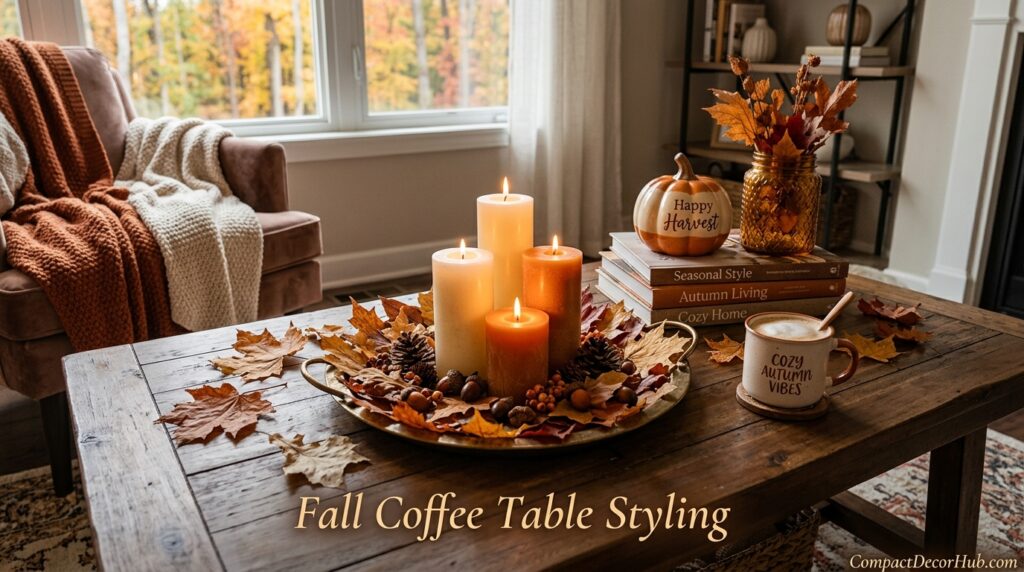
Last October I switched to a simple tray centerpiece I put together myself for under $20. I picked up a shallow wooden tray from HomeGoods for $14, grabbed a bundle of dried cotton stems from Michaels for $9, and stopped at the grocery store for two small real pumpkins at $3 each.
At home, I arranged the stems in a short bud vase I already owned, set the pumpkins on either side of the vase, and added a small pillar candle in the center. Took about four minutes. Looked intentional.
The part that went sideways: I’d originally planned to use dried pampas grass from Michaels instead of cotton stems. Pampas, it turns out, sheds constantly. Within an hour, the coffee table had a fine layer of white fuzz on it, Miso was batting loose strands across the hardwood, and I was vacuuming for the second time that day. Returned the pampas, switched to cotton. Problem solved, lesson filed away.
If the $20 budget feels like too much, a single bud vase with three dried stems from the craft store ($5 8 total) on a tray you already own looks just as clean and takes up far less surface space.

4. Warm Lighting Over Everything Else
Colorado gets sharp, clear fall light beautiful in the mornings and very blue and cool on bright afternoons. Swapping out a bulb or adding a warm toned lamp changes how a room reads once the sun shifts lower in the sky.
If your main overhead light runs cool (anything above 3000K), fall is a good time to rely on a lamp instead of the ceiling fixture. Bulbs in the 2200 2700K range make wood tones glow and textiles look richer after dark. An arc floor lamp from IKEA in the $65 90 range can anchor a seating area and shift the whole evening feel of a room.
The year I tried to create the same warmth by buying more candles instead of addressing the light source, the room still felt flat until around 8 p.m. when everything dimmed enough for the candles to actually matter. Fixing the light itself always comes first.
If your rental or situation doesn’t allow fixture changes, a smart bulb with adjustable color temperature costs around $8 10 at and lets you dial down to warm amber for fall evenings without touching any wiring.
5. The Entry Moment in Four Feet of Space
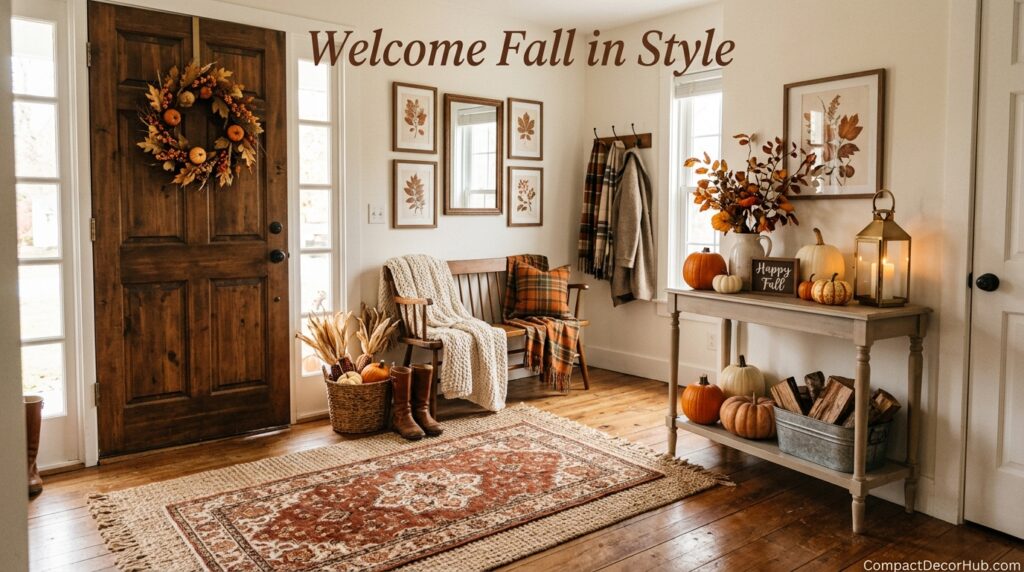
Our entry is maybe four feet of usable wall before it opens into the living room. Not much to work with. But it’s the first thing anyone sees walking in, so it’s worth styling even at a very small scale.
For fall, I keep it to one simple vignette on the console table: a candle, a short stem in a bud vase, and one seasonal object like a mini pumpkin or a small wood-tone lantern. That’s the whole thing. Nothing draped, nothing stacked, nothing that requires shuffling to walk through.
The doormat swap matters too. Our regular mat is plain jute. In fall, it moves to the back patio and a slightly thicker natural fiber mat with subtle texture comes inside usually around $20 28 from Target. Nothing with “Welcome, Fall” scripted across it. Just texture and a warmer tone underfoot.
The mistake I kept repeating until last year: buying fall doormats that were too wide for our entry. Our door frame measures just under 32 inches, and I’ve bought two mats in a row that extended past the frame on both sides when the door opened. Measure your entry width before ordering anything online. Sounds obvious. It isn’t at 11 p.m. when you’re excited about a mat.
6. One Shelf Vignette, Done Well
Beyond the entry, I pick one shelf or surface in the main living area for a proper fall vignette and leave everything else mostly alone. Trying to add seasonal detail to every surface in a tight footprint makes the whole place look like a seasonal store display by the second week of October.
My spot is the floating shelf in our living room. In fall it gets: a small terracotta pot with a trailing pothos (already owned, just moved here for the season), a warm amber glass votive, two books with warm toned spines turned face out, and one dried stem in a bud vase.
Total cost if starting from scratch: under $30. Total cost if you already own most of these pieces: close to nothing.
The restraint is what makes it work. One shelf styled with intention reads better in a limited space home than six surfaces each with one pumpkin dropped on them. It gives the eye somewhere to land without the room feeling stuffed.
7. Knowing When the Room Is Actually Done
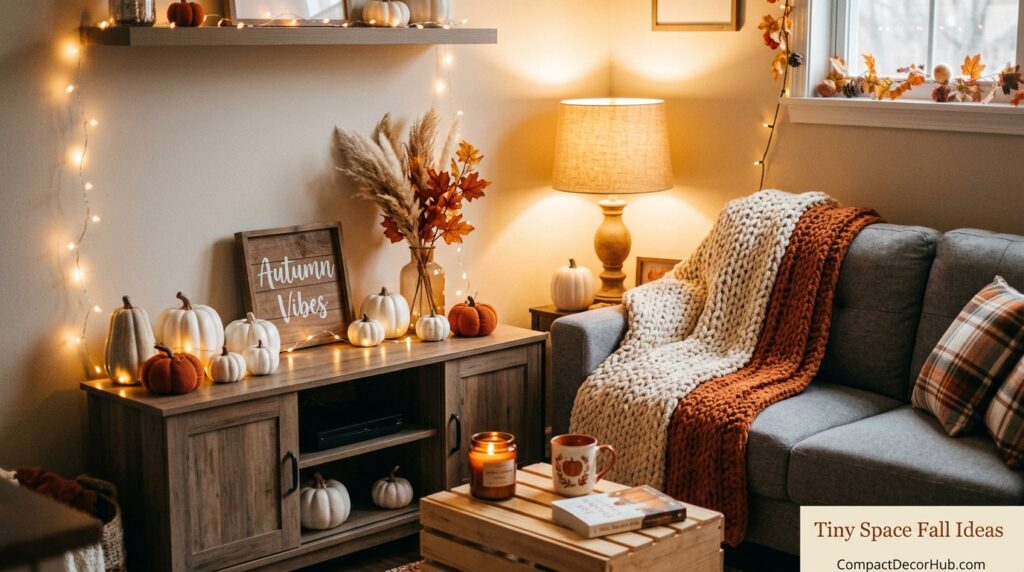
Fall aesthetic has a creep problem. One thing looks good, so you add another, then another, and by the first week of October your living room has more seasonal objects than clear surfaces. In modest square footage, the tipping point arrives faster than you’d expect.
The rule I now follow: if adding one more piece means moving something that’s already there, the room is full. Stop.
My personal fall cap for our space:
- One textile swap per main living area
- One scent element per room
- One entry setup with vignette and mat
- One shelf or surface vignette in the living area
Everything beyond that stays in the storage bin. It took me two full fall seasons to accept that the bin isn’t a failure it’s the point.
What I’d Do Differently
Two things I’d change from my earlier fall decorating approach. First, I would’ve started with a textile swap and a lighting change instead of buying new objects. Those two adjustments do more for a fall aesthetic than any number of pumpkins arranged on a shelf ever will.
Second, I’d skip anything with a seasonal label built into the design: “Hello Fall” signs, leaf print throws, anything with a pumpkin motif stamped on it. Once November arrives, that type of piece looks like you forgot to put something away. Warm-toned neutral objects in rust, camel, and deep olive can stay out through the end of the year without looking out of place.
Both of those lessons cost me at least two storage bins’ worth of stuff I eventually dropped off at our local Goodwill once I admitted none of it was working in our space