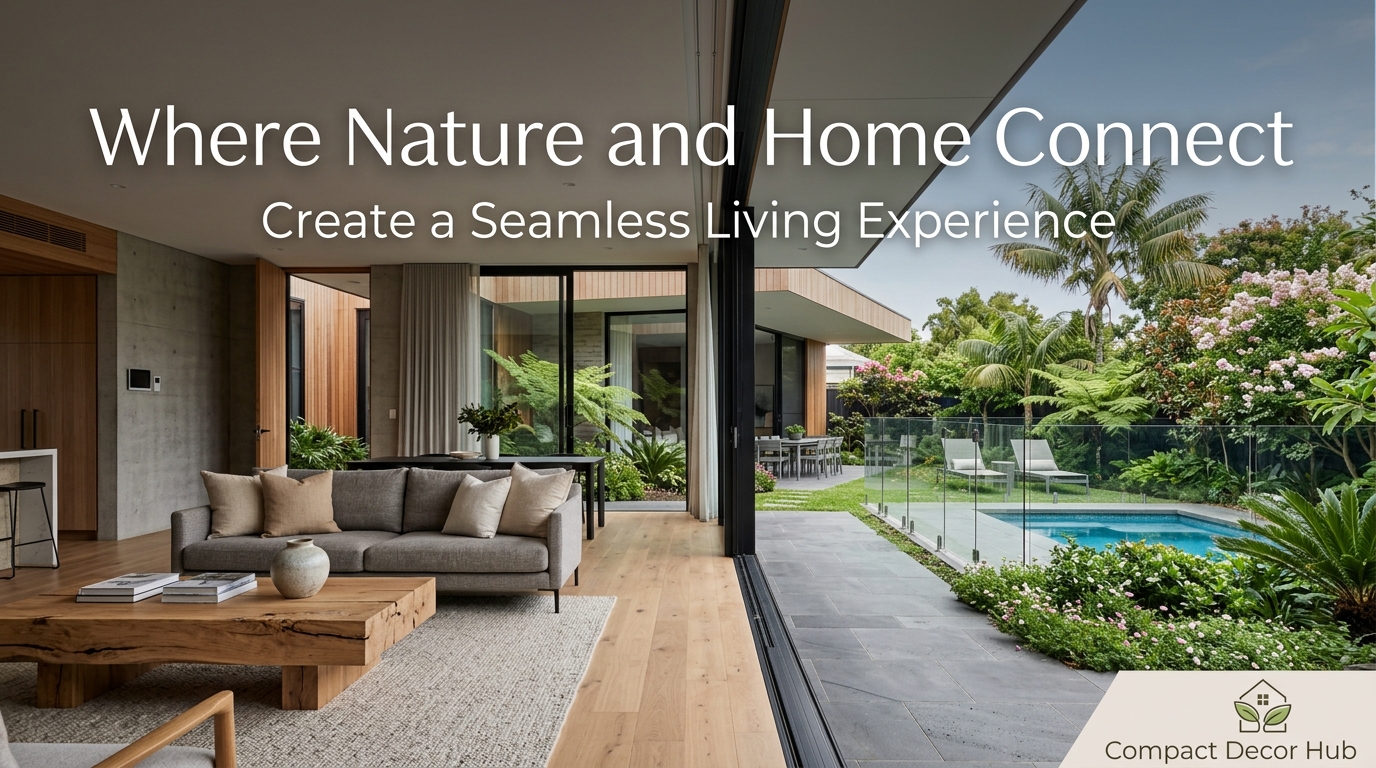
Modern life keeps us indoors for most of the day. We work, relax, and spend hours surrounded by walls, screens, and artificial lighting. While technology offers convenience, it often creates a disconnect from nature. This separation can affect mood, focus, and overall well being.
Biophilic design solves this problem by bringing nature back into our living spaces. It creates a stronger connection between people and the natural world. Instead of treating nature as decoration, biophilic design makes it an essential part of the home.
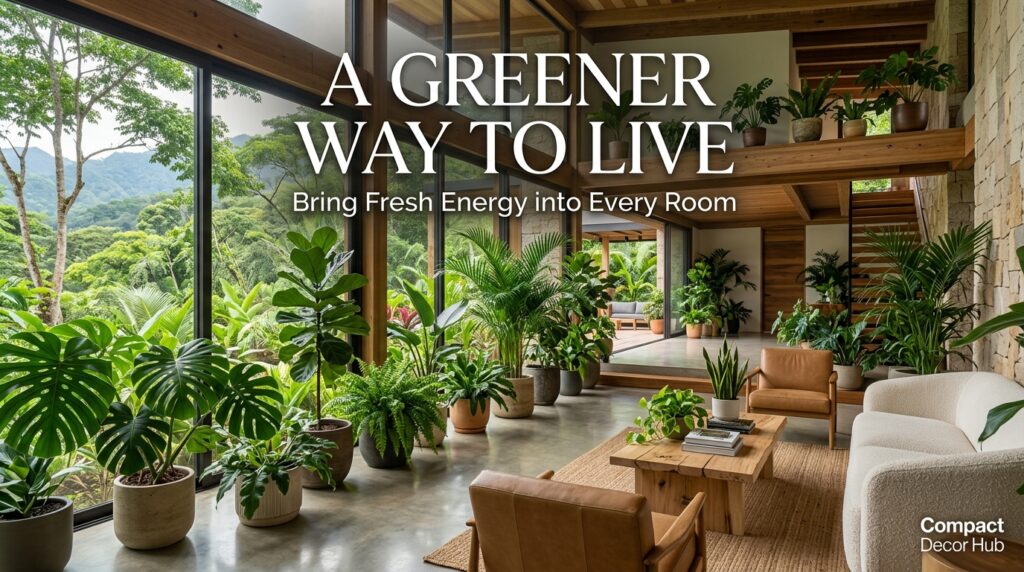
This design approach uses natural light, plants, organic materials, water features, and nature inspired patterns. The result is a healthier, more calming, and visually appealing environment.
Whether you live in a large house or a small apartment, biophilic design can transform your space. It helps reduce stress, improve comfort, and create a more balanced lifestyle.
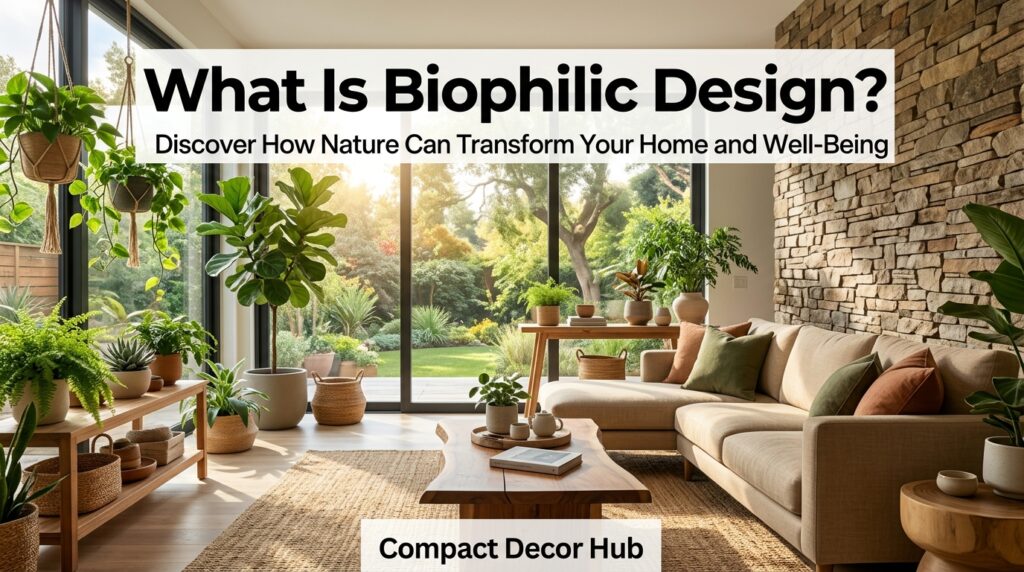
What Is Biophilic Design?
Biophilic design is an interior and architectural concept that strengthens the connection between humans and nature. The word “biophilia” means a love of living things and natural environments.
The idea is simple. People feel better when they are connected to nature. By incorporating natural elements into interior spaces, designers create environments that support physical and mental well-being.
Biophilic design goes beyond adding a few houseplants. It involves thoughtful choices that mimic natural settings and experiences.
Key elements include:
- Natural light
- Indoor plants
- Natural materials
- Organic shapes
- Nature-inspired colors
- Outdoor views
- Water features
- Fresh airflow
Together, these features create a space that feels alive, welcoming, and restorative.
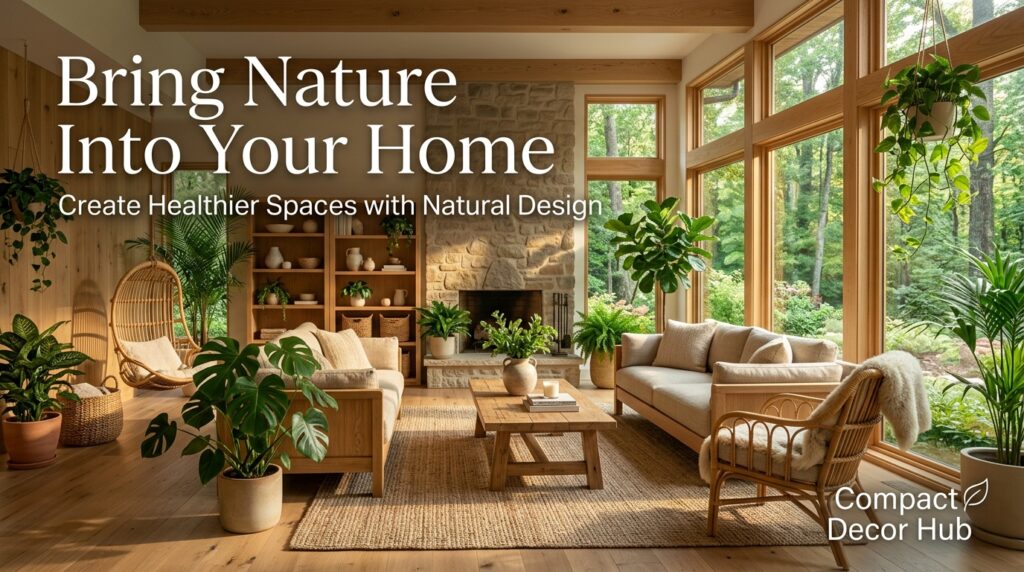
Why Biophilic Design Matters
People evolved in natural environments for thousands of years. Modern indoor lifestyles are relatively new. As a result, many people feel disconnected from nature.
Biophilic design helps restore that missing connection.
Benefits include:
Reduced Stress
Natural elements create a calming atmosphere. Plants, sunlight, and natural textures help reduce feelings of anxiety and tension.
Better Focus
Studies show that exposure to nature improves concentration. This makes biophilic design especially useful in home offices and study areas.
Improved Mood
Natural surroundings often increase happiness and emotional well being. Bright spaces with greenery feel more uplifting and positive.
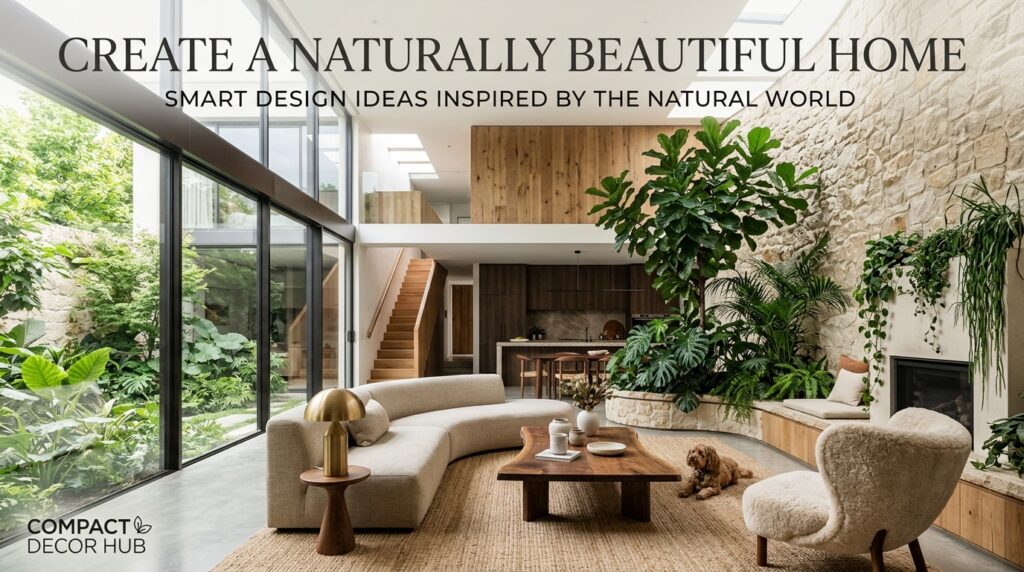
Better Air Quality
Many indoor plants help filter pollutants and improve air quality. Cleaner air supports a healthier indoor environment.
Enhanced Comfort
Natural materials such as wood, stone, and cotton create warmth and comfort. They make spaces feel more inviting and relaxing.
Core Principles of Biophilic Design
Understanding the main principles helps you apply biophilic design effectively.
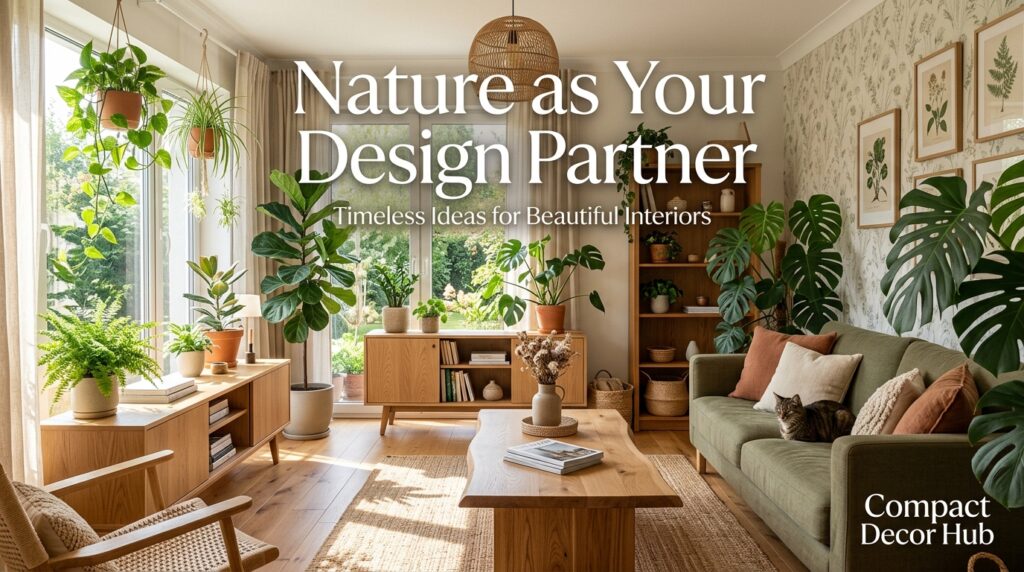
1. Connection to Natural Light
Sunlight plays a major role in health and comfort. It regulates sleep cycles and boosts mood.
Maximize natural light by:
- Using sheer curtains
- Keeping windows unobstructed
- Installing larger windows where possible
- Using reflective surfaces strategically
Bright rooms feel larger, healthier, and more welcoming.
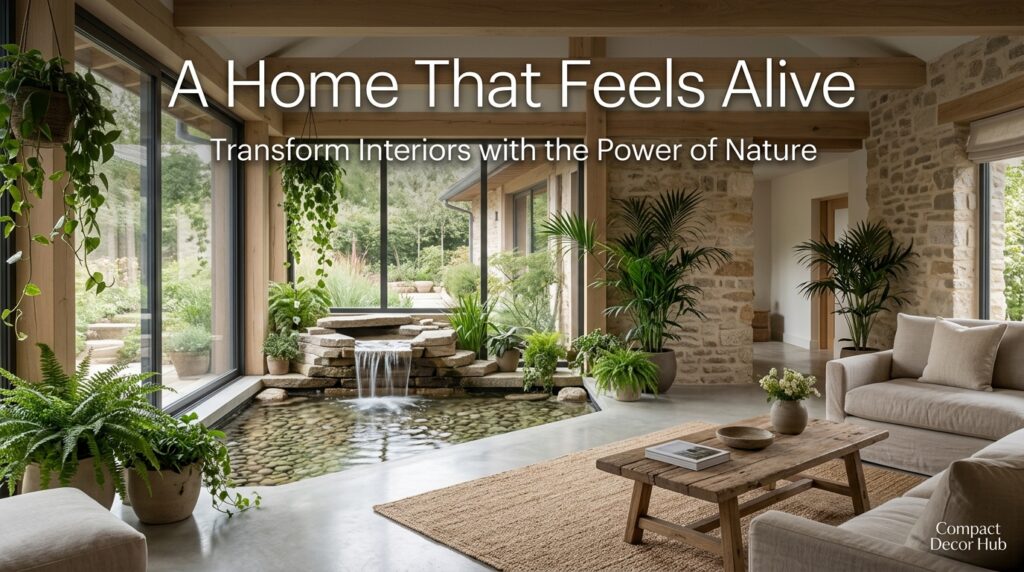
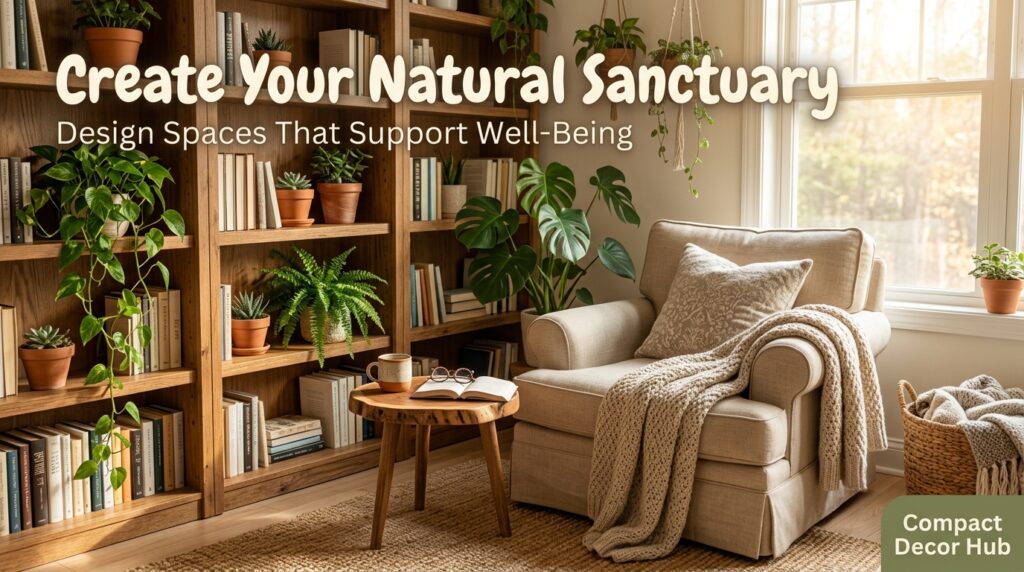
2. Indoor Plants and Greenery
Plants are often the first feature people associate with biophilic design.
Popular indoor plants include:
- Snake Plant
- Pothos
- Peace Lily
- ZZ Plant
- Rubber Plant
- Monstera
Plants add color, texture, and life to any room. Even a few carefully placed plants can make a noticeable difference.
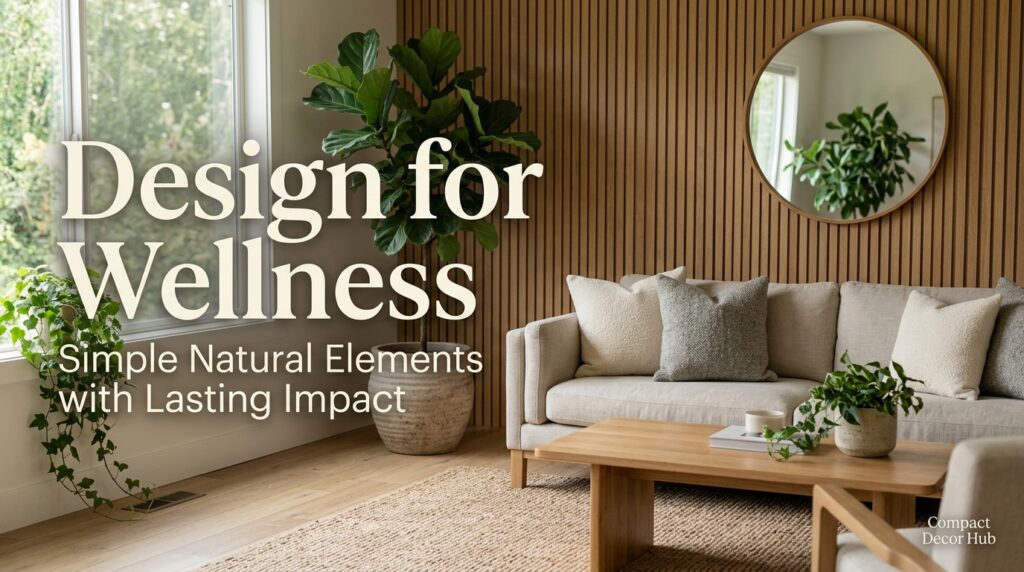
3. Natural Materials
Natural materials create authenticity and warmth.
Common choices include:
- Wood
- Bamboo
- Stone
- Rattan
- Cork
- Cotton
- Linen
- Wool
These materials provide visual richness while strengthening the connection to nature.
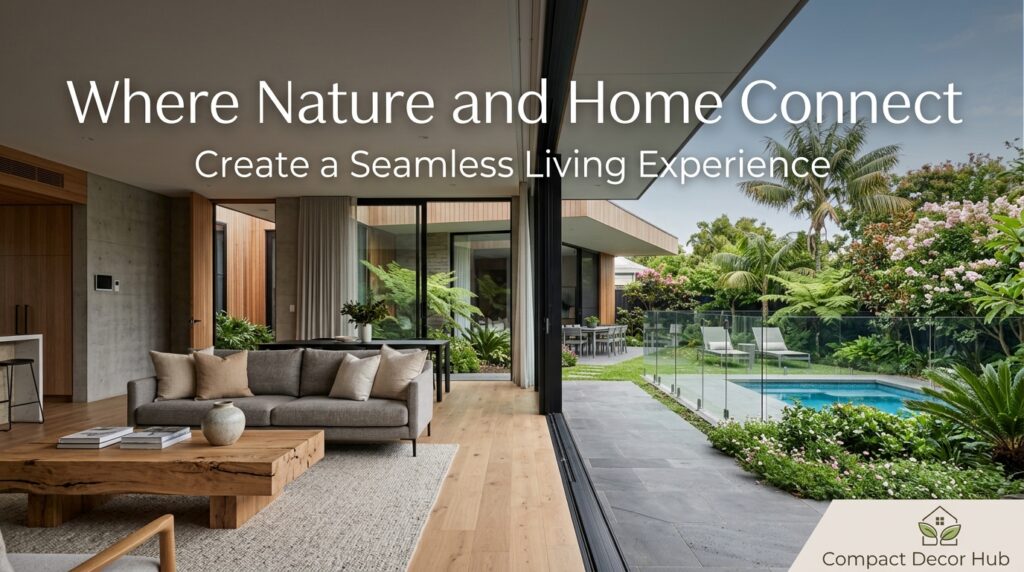
4. Nature Inspired Shapes
Nature rarely follows perfect straight lines. Organic shapes feel softer and more comfortable.
Consider:
- Curved furniture
- Rounded mirrors
- Flowing patterns
- Organic decorative pieces
These elements create a more natural visual experience.
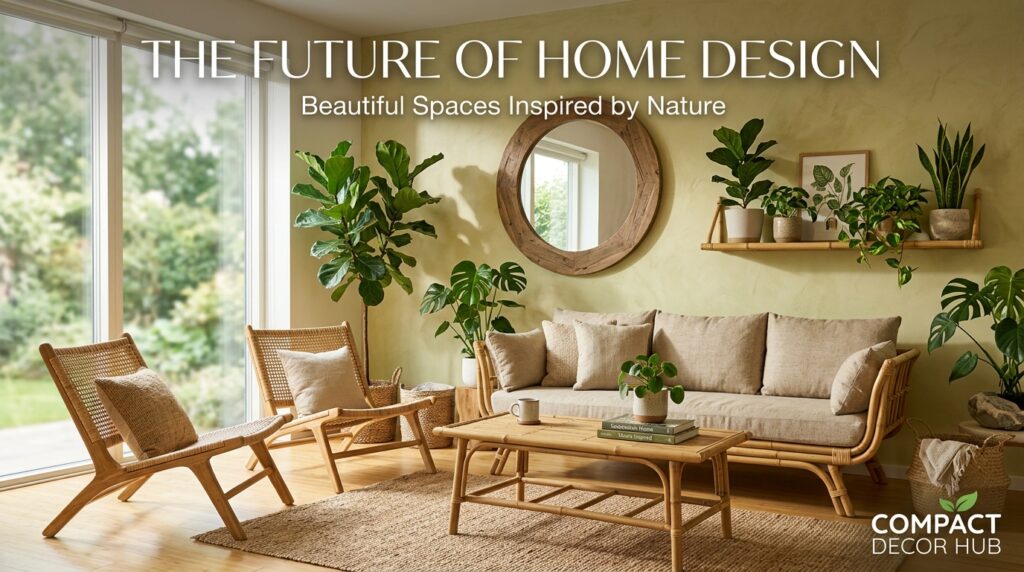
5. Natural Colors
Color plays a significant role in biophilic design.
Popular nature inspired colors include:
- Forest green
- Olive green
- Sky blue
- Sand beige
- Terracotta
- Warm brown
- Soft gray
These tones create a peaceful and balanced atmosphere.
How to Add Biophilic Design to Your Living Room
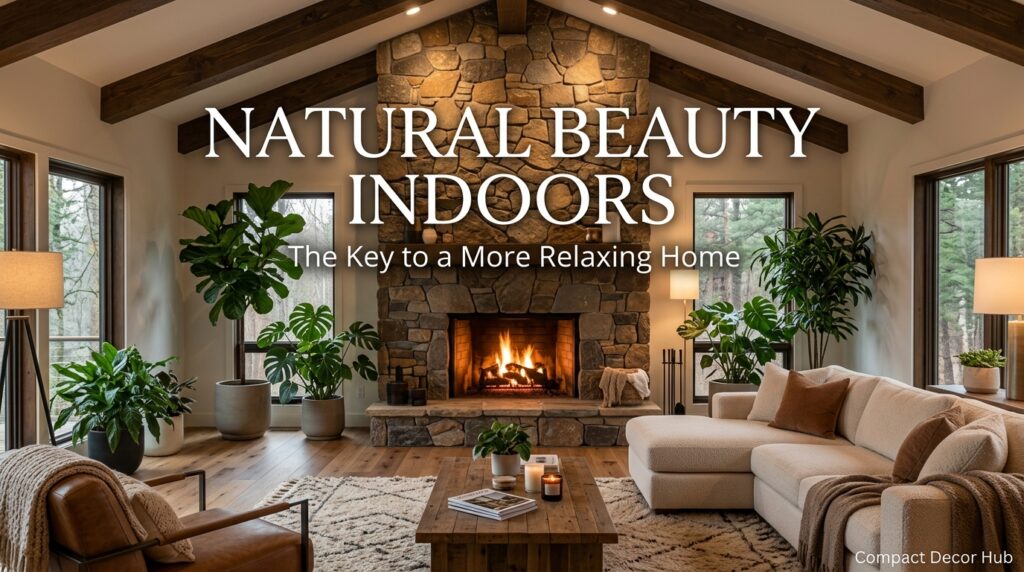
The living room is often the heart of the home. It is the perfect place to introduce biophilic design.
Create a Plant Corner
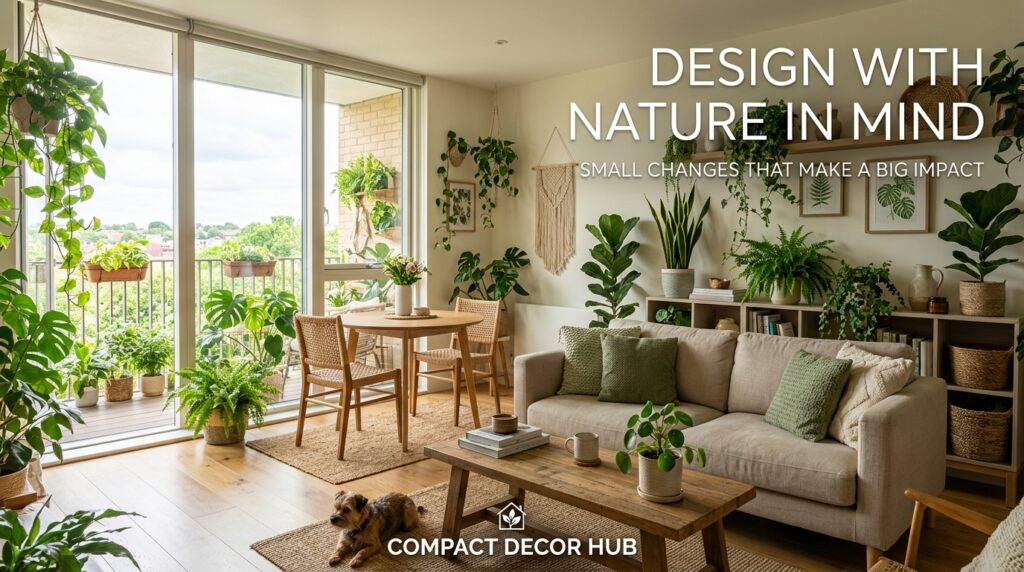
Group several plants together for visual impact. Use different sizes and textures to create depth.
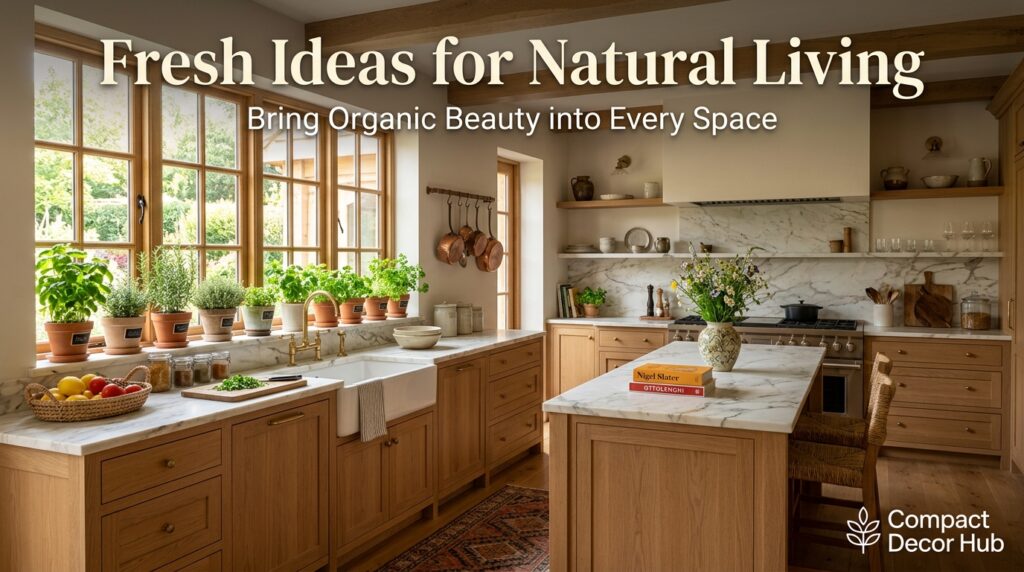
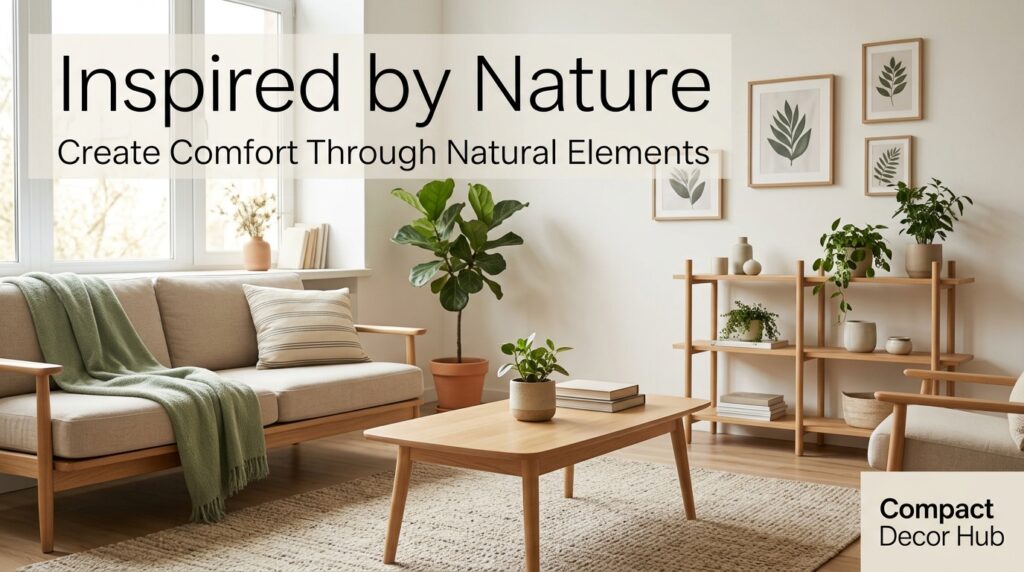
Use Natural Furniture
Choose furniture made from wood, rattan, or bamboo. These materials add warmth and character.
Maximize Daylight
Arrange seating near windows to take advantage of natural light.
Add Natural Textiles
Use cotton throws, linen curtains, and wool rugs. These materials increase comfort while supporting the design theme.
Include Nature Artwork
Landscape paintings and botanical prints strengthen the natural connection.
Biophilic Design for Bedrooms
A biophilic bedroom promotes relaxation and better sleep.
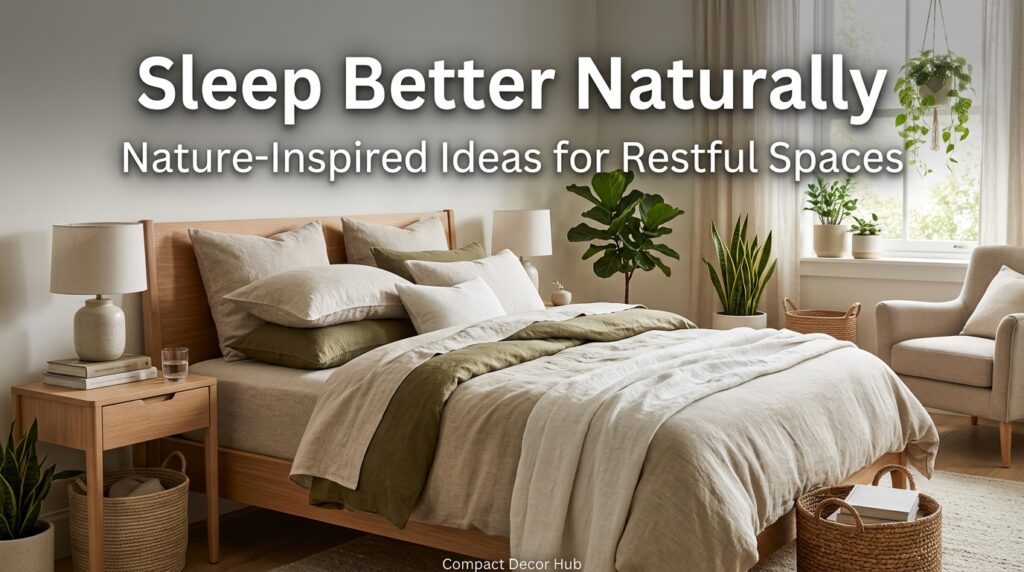
Choose Soft Natural Colors
Earthy tones create a calming atmosphere.
Introduce Plants
Low-maintenance plants work well in bedrooms.
Examples include:
- Snake Plant
- Aloe Vera
- Lavender
Use Natural Bedding
Cotton and linen bedding improve comfort while supporting the biophilic aesthetic.
Increase Natural Light
Allow sunlight to enter during the day while maintaining privacy.
Reduce Clutter
Nature feels balanced and peaceful. A clutter-free bedroom reflects that same feeling.
Bringing Biophilic Design into the Kitchen
Kitchens can also benefit from natural elements.
Add Herb Gardens
Grow fresh herbs on windowsills or countertops.
Popular choices include:
- Basil
- Mint
- Rosemary
- Parsley
Use Natural Finishes
Wood cabinets and stone countertops create a strong connection to nature.
Improve Ventilation
Fresh airflow helps create a healthier cooking environment.
Display Natural Materials
Wooden cutting boards and woven baskets add practical beauty.
Biophilic Home Office Ideas
Remote work has increased the importance of comfortable home offices.
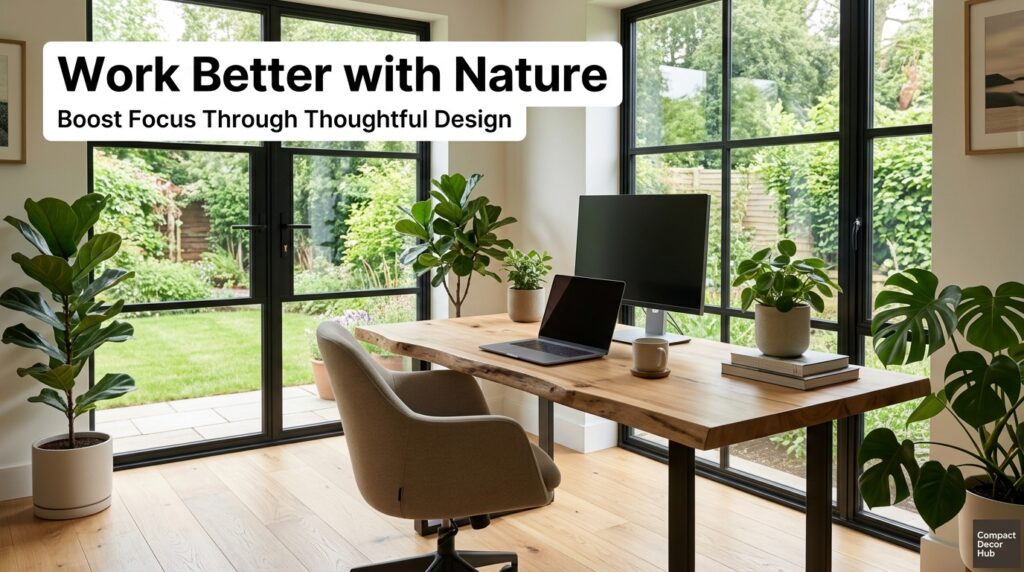
Position Your Desk Near a Window
Outdoor views help reduce mental fatigue.
Add Greenery
Plants can improve focus and create a more pleasant workspace.
Use Natural Materials
Choose wooden desks and natural fabric chairs whenever possible.
Include Nature Inspired Decor
Botanical prints and landscape artwork support concentration and creativity.
Water Features in Biophilic Design
Water creates a powerful sensory connection to nature.
Options include:
- Indoor fountains
- Small tabletop water features
- Aquariums
- Courtyard ponds
The sound of flowing water often promotes relaxation and reduces stress.
Even a small water feature can enhance the atmosphere of a room.
Sustainable Design and Biophilic Living
Biophilic design often aligns with sustainable living principles.
Many natural materials are renewable and environmentally friendly.
Sustainable choices include:
- Reclaimed wood
- Bamboo flooring
- Recycled materials
- Energy-efficient windows
- Eco-friendly fabrics
These decisions benefit both homeowners and the environment.
Common Biophilic Design Mistakes
While biophilic design is flexible, some mistakes can reduce its impact.
Overcrowding with Plants
Too many plants can create visual clutter. Focus on balance instead.
Ignoring Natural Light
Plants alone cannot replace the benefits of sunlight.
Using Artificial Materials Excessively
Plastic imitations often fail to create an authentic natural feel.
Forgetting Maintenance
Healthy plants and clean natural materials require regular care.
Overcomplicating the Design
Simple and intentional choices often work best.
Future Trends in Biophilic Design
Biophilic design continues to grow in popularity.
Emerging trends include:
- Living walls
- Smart indoor gardens
- Sustainable furniture
- Nature focused wellness spaces
- Indoor outdoor living areas
- Eco conscious materials
As people prioritize well being, biophilic design will remain a major influence in modern interiors.

Final Thoughts
Biophilic design is more than a decorating trend. It is a lifestyle approach that reconnects people with nature. By incorporating plants, natural light, organic materials, and earthy colors, you can create a healthier and more comfortable home.
The beauty of biophilic design lies in its flexibility. You do not need a complete renovation to benefit from it. Small changes often make a significant impact.
Whether you add a few plants, improve natural lighting, or choose sustainable materials, every step strengthens your connection to nature. The result is a space that feels calmer, healthier, and more inspiring every day.
Love nature inspired interiors? Follow Compact Decor Hub for expert decorating tips, design trends, and practical ideas that bring comfort and beauty into every room.